Virginia Ruth

Making life worth living well

  • Publications
    • Publications
    • Reviews
  • Body
    • Body-Living
    • Eat
    • Move
    • Sleep
  • Mind
    • Mind-Living
  • Spirit
    • Spirit-Living
  • Well of Encouragement Blog
  • Archived Blog
  • About
  • Contact
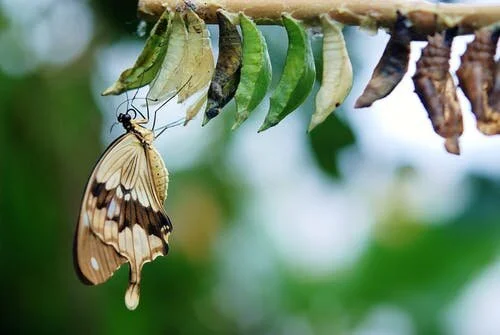
What essence of the caterpillar withstands the transformation into a butterfly?

What essence of the caterpillar withstands the transformation into a butterfly?

Day 27: Words and Pictures: Essence

April 28, 2020 by Virginia Ruth

Essence. “the intrinsic nature or indispensable quality of something, especially something abstract, that determines its character; the most significant element, quality, or aspect of a thing or person.”

If someone were to describe you, what is your most significant quality? What would be your “essence”?

I heard two different stories recently that made me wonder about this idea of essence and if that is something that transcends and stays with us even as we change.

Amy Grant tells a story she heard from her friend. This friend had a young twenty-something niece who died in a car accident. The niece was an avid letter writer, to the point that when her church was waiting for the youth pastor to arrive in the fall, the niece sent him letters throughout the summer describing the various kids and families to him as a “get to know” type of prep. Tragically, the niece died unexpectedly over Labor Day weekend and so never got to personally meet the youth pastor. However the youth pastor gave her eulogy because through those letters he had gotten to know her. The other quality of the niece was her reaction to music in church. She was one who could not just listen to hymns and church music and keep her hands in her lap. She had to raise her hands in the air even though she was the only one doing it in her staid, conservative church.

Years later the niece’s family received a letter from the fifty year old man who received the girl’s heart. He expressed his gratitude for his life gift from her and the family as well asked a couple of questions. He said that he was a simple man with a simple education and never had written a letter before in his life yet since receiving the heart he found he wrote letters all the time- to friends, children, grandchildren. He wanted to know if she wrote letters? Also, he wondered what she did in worship since he could not contain his arms during music, he would raise his hands in the air. Again, something that he would’ve never done before receiving the heart.

What was it about the essence of that girl that found its way into the memory of hers/now his heart?

I also heard a snippet of a rebroadcast of a radio show I had heard a while back (see blog post September 16, 2016 ) It was talking about the change of a caterpillar to butterfly, seemingly two different organisms. Is there something of the first, some essence, that embeds into the second?

The radio show gave the example of an experiment done at Georgetown University. Can moths remember what happened to them as caterpillars? The scientists took caterpillars and exposed them to a noxious gas- something that smelled awful- while giving them a little shock. They did this enough times that it created an aversion for the caterpillars to the smell. With another group of caterpillars, they did not do anything. Both sets of caterpillars went through the pupae stage- which dissolves their bodies and their brains- and emerged as moths. They then exposed both the two groups of moths to the same noxious smell. The moths who as caterpillars hadn’t been exposed to the smell weren’t affected but the group of moths who as caterpillars had been shocked with the smell, avoided the stench as moths. Seemed like something in their transformation remained in their memory.

Both stories made me think: what would remain about me if my surroundings changed? Would people recognize me from before? What is the essence of my character?

What about you? Do you feel that there is anything worth saving from “before”? What does the before and after look like for you? Sometimes it is a before/after of physical transformation- before/after weight gain or loss, before/after surgery, before/after illness. Sometimes it is a before/after religious experience- before/after becoming a Christian, Buddhist, Muslim. Sometimes it is a before/after behavioral lifestyle change- before/after quitting a harmful substance or addictive behavior. Or a before/after a situational change- before/after a death, marriage, birth.

Whatever the change might be, what makes you- you?

The psalmist declares that we are fearfully and wonderfully made. As we were knit in our mother’s womb, God knew all about us. He knows the very hairs on our head. If we are made in God’s image, I imagine that what remains, regardless of circumstances is our specific essence of God. Each one of us expresses an attribute of the total God (which is why we need community).

Perhaps when we are transformed by Him into what He intended for us from the beginning, we become more our authentic true self. We become a deeper, fuller expression of the essence of ourselves and part of the bigger, deeper and fuller expression of God.

April 28, 2020 /Virginia Ruth
transformation, caterpillars, heart transplants, essence
Comment
glass of water.jpeg

Day 26: Words and Pictures: Floating

April 27, 2020 by Virginia Ruth

This past week, my nephew wrote and preached about a concept of top-down versus bottom-up thinking. The premise is that as humans in general and Americans in particular we view our lives as top-down. We have an ideal of perfection and anything short of that is substandard which causes us to be discontent, unhappy and dissatisfied with what we have. We feel entitled to the perfect ideal and shortchanged if that doesn’t occur. Contrary, if we are grateful and thankful for whatever we have, we are more likely to be appreciative, content and joyful in our lifestyle.

I think he is on to something. It is not that we shouldn’t have goals and targets but that we should start in a place of appreciation of our lives, of our circumstances, and of our material possessions. There are so many blessings that we do not even give consideration: trash pick up; water from the tap; light when we flip a switch, etc. One thing this pandemic has done for many is to open our eyes to a whole new world of workers: the faceless person behind the convenient store counter or the never-before-given- eye-contact grocery store checker or re-stocker. People and work for whom and for which we should be grateful.

It makes me think of the annual world happiness report- a “survey of the state of global happiness that ranks 156 countries by how happy their citizens perceive themselves to be.” The Nordic countries seem to be in the top tier every year. I have heard it said that one of the reasons they are so happy is that they have low expectations. While the actually report doesn’t say that expressly, they did report under the Nordic exception that research has “consistently shown that social comparisons matter for well-being…This is corroborated by findings according to which status anxiety, defined as the fear of failing to conform to the ideals of success laid down by society, tends to be lower in Nordic countries compared to most other countries measured.” It seems as if our Nordic counterparts aren’t too worried about failing to hit the perfectionism mark. “In assessing how good their lives are, humans often compare their own lives to the lives of those around them. This makes people’s subjective perception of their position in society more predictive of well-being than objective measures such as income.” The report goes on to explain, “ seems possible that keeping up with the Joneses doesn’t carry as much weight in Nordic countries as in the US and many other countries.”

Isn’t that a bottoms-up type thinking? If I am focused and grateful on what I have, I won’t be concerned with what someone else has and I won’t be setting a unrealistic standard and goal for myself.

It is the old adage of the half-empty or half-full glass. Those with the half-empty would say that they need to do everything possible to have a full glass. After all, isn’t that the standard? There isn’t much rest- mentally or physically until that measurement happens.

The half-full would see that the glass has a fair amount of water in it already and while making plans to fill it up, would be stopping to have a sip, to enjoy the refreshing liquid along the way.

Have you ever noticed that if the gas tank is on the 1/2 to full side of the gauge, it seems to take a long time for it to move downward? But if the indicator is between the 1/2 to empty side, it seems to go very quickly regardless if the same amount of miles are driven? I am sure that the miles per gallon is the same on either side of the half way point but my perception doesn’t share that. If we view life with an attitude of appreciation and positivity, we are more likely to “enjoy the ride”.

There are times however, when all the positivity just cannot carry us. The thing about the half-empty and half-full glass of water is that sometimes, we don’t even want to think about the water level. Life is too difficult or depressing or disturbing to worry about contemplating our viewpoint from either bottom or top. We don’t even know which way is up or down. We feel that we are floundering. We are beyond worry and anxiety and certainly are no where near a place of contentment or happiness.

When that happens, what do you do? Have you found that you feel like you are floundering while experiencing this pandemic?

I recently texted with a friend about that foundering feeling. We all get it. Whether it is from a point of overwhelming stress, anxiety, grief or dramatic life change, it still can feeI the same- trying to keep one’s head above the waves, treading water as fast as one can, yet still getting knocked in the nose and mouth with a snoot full of brine. When those times happen to me, I imagine myself floating. That is the thing with treading water- if you feel tired and need a little reprieve, you can always turn onto your back and float. Of course, floating isn’t a sustainable action- it won’t get you anywhere but it can offer some respite from kicking and windmilling below the water surface. Even if we are trying to reset our viewpoint from top to bottom, floating is the time for renewing our minds.

What about you? Do you need to float for a little while? Give yourself permission to do so. And then, when feeling refreshed, come back to viewing your life situation from a bottoms-up perspective- looking at what blessings you have in your life- big or small and enjoying them as you go along.

Recently discovered photo of me at our beloved Cape Cod. While I am not floating per se, I am taking a respite. As only a three-year-old (I think that was my age?) can do.

Recently discovered photo of me at our beloved Cape Cod. While I am not floating per se, I am taking a respite. As only a three-year-old (I think that was my age?) can do.

April 27, 2020 /Virginia Ruth
perspective, positivity
Comment
journal.jpeg

Day 25: Words and Pictures: Diaries

April 26, 2020 by Virginia Ruth

What comes to mind when you think of a diary? A school girl’s pink book with a “security” lock on the side?

I am a life-long, half-hearted diarist. I am not nor have ever been a regular journal writer. I go in waves and my content has always been brain dumps. Whatever is on my mind, whatever I am processing or learning shows up on the pages. My only regret is that my handwriting is so poor even now as I reread, even things I wrote yesterday, I sometimes wonder what did I write? I have always had my thoughts run faster than my hands.

I have some of my old notebook/diaries from when I was a kid. They contain the typical kid angst- mad at siblings for some “injustice”, wishing certain things would happen, getting chosen for a lead in a play, choir solo, winning a competition, feelings about friends. I would write about spiritual things too and my understanding of the time of what Bible stories meant to me.

Currently, I journal about everything. I tried having separate books for my writing ideas, for my Bible reading and personal application, and just general life details. Unfortunately I find that numerous books are too much trouble, similarly to when I have too many lists going. The only problem with dumping everything in one place is that it is hard to reference or find an idea that I want to explore.

I was fascinated by the article in last Sunday’s New York Times about diaries found- specifically Dutch diaries from WWII. The Dutch minister of education, Gerrit Bolkestein appealed to the citizens to preserve their diaries and letters. “Only if we succeed in bringing this simple, daily material together in overwhelming quantity, only then will the scene of this struggle for freedom be painted in full depth and shine” . Many are familiar with Anne Frank’s account of her war years. Included in the article were others who described their respective war years- the invasion of the Netherlands, what the day to day life was like in the concentration camp, the famine during the blockades. While diaries used to be seen with disdain as too biased in presenting history, there is now a new recognition of their importance in understanding points of time in our history.

In addition to Anne Frank, I am familiar with Winston Churchill, Nelson Mandela, Captain Scott but I never knew that the author of Robinson Crusoe wrote a dairy about the Great Plague of London of 1665. Daniel Defoe was only five during the plague but he wrote in vivid detail the progress of the disease and the desperate attempts to stop it. What a timely read if I have the courage.

In thinking about diaries, it would be important for us to put on paper what we are witnessing and experiencing. I think it would be helpful not only for ourselves as we process this unusual period in history but also as a first person witness for future generations.

In moving my mother-in-law to an assisted living apartment, we had to downsize her current place. We found old calendars that contained small diary-type entries. Most were daily habits and activities, “dinner with B & C; Knicker’s (family bunny) gave birth today; J’s birthday celebrated with mother and dad,” Some were sad, “Mother died today @ hospital” (How I wished there were more details and feelings about it.) Earlier calendars had entries from her father containing what, from where and cost of any household item- from appliance to hand tool. These snippets give a fuller picture and experience to the verbal stories and the black and white photos and round out family memories.

Journals can also settle family debates. I think it was Madeleine L’Engle who said her journals were helpful when the family would argue over a particular happening. When one person would insist that such and such occurred and the other family member insisted that something else happened, she could pull out her dated journal entries to “settle” the debate. There are some things that cannot be googled.

I am thinking of journaling more about this pandemic experience. Not from any profound, philosophical standpoint but rather from a catalogue about the small day-to-day details: making and wearing masks, the phenomenon of youtube/facebook live streams and zoom chats, walking and social distancing.

What about you? Have you ever kept a diary? Do you still? What is in it? Why do you keep one? For future generations? As a coping mechanism for stressful times? As a remembrance of events- good and bad?

The physical act of writing on paper can help us process our anxiety, fears, and plans. It doesn’t have to be great prose. Just a list or phrase will do. One can use an “official” journal, or notebook pages or calendar entry. It might be a series of written letters never sent.

Whether or not we will ever share them or not, it is helpful to have a physical remembrance of our specific time and experience on earth. You might even want to rid yourself of them at some point. I am thinking those childish ones might need to go some day. Although there is something to be gleaned even from rubbish diaries. While I am a far cry from being significant like her, I think it is a great loss that Queen Victoria’s original dairies from 1840 onward were mostly destroyed.

During this time at home, why not think about recording what is happening around you? For all you know, what you observe might be helpful to someone in the future.

April 26, 2020 /Virginia Ruth
diary, journal
Comment
Remember the old book- All I really needed to know I learned in Kindergarten? Perhaps our politicians and global community need to reread it.

Remember the old book- All I really needed to know I learned in Kindergarten? Perhaps our politicians and global community need to reread it.

Day 24: Words and Pictures: Share

April 25, 2020 by Virginia Ruth

My husband shared with me an interesting article that he had read on Deutsche Welle News online. It was an interview with an Israeli historian and professor. He was asked about the current global pandemic. As Professor Yuval Noah Harari observed, “I think the biggest danger is not the virus itself. Humanity has all the scientific knowledge and technological tools to overcome the virus. The really big problem is our own inner demons, our own hatred, greed and ignorance. I'm afraid that people are reacting to this crisis not with global solidarity, but with hatred, blaming other countries, blaming ethnic and religious minorities. But I hope that we will be able to develop our compassion, and not our hatred, to react with global solidarity, which will develop our generosity to help people in need. And that we develop our ability to discern the truth and not believe all these conspiracy theories. If we do that, I have no doubt that we can easily overcome this crisis.” **

I would agree with him and also add fear to the list of inner demons with which people are struggling.

The question becomes then, how do we combat that? How do we rise above our inner demons of hatred, fear, blaming others? How do we develop compassion?

I think we need to return to what we learned as children: we need to remember to share.

I read an interesting story. A reporter once asked a farmer why his corn won the state fair contest every year. The farmer revealed that it was because he shared his seeds with neighbors. The perplexed reporter wondered why. The farmer’s answer: “Sir, don’t you know? The wind picks up pollen from ripening corn and swirls it from field to field. If my neighbors grew inferior corn, cross-pollination would degrade the quality of my corn. If I am to grow good corn, I must help my neighbor do the same.”    

When we share we feel good. According to a 2008 Harvard Business School survey, when people give away money it lifts one’s spirits more than spending that money on oneself. When we share whatever we have, we feel that we have more than enough. We feel “wealthy”. We don’t have to feel scared that someone else will “get one over on us”, to feel that someone else is taking away that which we are entitled

When we share we are lifted out of ourselves- thinking about ourselves and our needs and wants- and begin to think of someone else. Would this thing that I am sharing help them in their situation? What we might be stewing and worrying about takes second place when we start thinking of others and how we can help them. I know that the best way for me to snap out of a funk is to help someone else- to share my time, (limited) talent and resources with them.

I think that sharing helps block those demons of hatred. On some level there is an invisible bond that is created when we share. How can one hate someone who has partaken in something that was yours? This thing that we have shared connects me to you- it might be an obligation or it could just be a mutual appreciation.

I was teary-eyed as I read the following letter that NY Governor Andrew Cuomo received and read on yesterday’s daily press briefing. Click here to see the video.

What about you? How do you counter the demons of this world? What heart stirring stories have you heard this week?

How can we get rid of the demons? Share. Be compassionate. Show humility. Remember that for each one of us, “by the grace of God go I”. We ARE in this all together.


** Click here to read the article.

April 25, 2020 /Virginia Ruth
sharing, compassion, Andrew Cuomo, Professor Harari
Comment
The School of Athens fresco, Raphael, 1509-1511.  Rome.

The School of Athens fresco, Raphael, 1509-1511. Rome.

Day 23: Words and Pictures: Truth

April 24, 2020 by Virginia Ruth

I have been thinking about our trip to Italy a few years back. It was a wonderful trip with the family. We spent about 4 days in Rome, staying at a local apartment in the Monti neighborhood, one of the oldest sections in Rome located a few blocks from the Colosseum. We did the “touristy” things as well as our own travel plans.

So when in Rome… we took a tour of the Vatican Museum and the Sistine chapel. The artwork was exquisite. I find that only now as I look at interpretations and explanations of what we saw, that I truly appreciate that which I saw.

The Stanza della Segnatura, a room once the papal library, contains frescoes by Raphael. Click here for a link about the room. As the video explains, the room depicts the four branches of human knowledge as classified during the Renaissance time. One wall is dedicated to philosophy and sciences. Across the room another wall is painted representing theology. Poetry and Justice “squaring” out the room on the remaining walls. All four areas complement each other.

I like the symbolism of that. No one discipline is higher over the other but through the balance of all, do humans discover the world around themselves. The theologian Karl Barth is purported to have said, “A preacher needs newspaper in one hand and a Bible in the other.” I like Barth’s symbolism of seeing, understanding and interpreting the world around you in light of one’s faith.

In light of the assault on our physical, emotional, financial and spiritual health this virus has taken, perhaps we need to revisit the way we view our human understanding, to look at the way we interpret the world through the eyes of all four branches of human knowledge: Perhaps we should have more faith in the sovereignty of a deity, in unanswered prayer and unexplained miracles and certainly we should have more faith in our scientists and medical personnel who follow-trends, look at data and conduct research. So too, we should have more faith in poetry, literature, art, music and the arts as these disciplines can decipher, explain, and transcend our time and space. Along with those three, perhaps we need more faith and commitment to justice for all. It is in our searching in these disciplines do we uncover Truth.

Over the course of human history we have seen when one discipline of human understanding dominates at the expense of the others. When that happens, we as humans become off-kilter. I think of the Inquisition (theology or rather religion gone totally off-kilter); Nazi Germany (justice dominated- or rather injustice due to the silence of the other disciplines); Fall of Roman Empire leading into the Middle ages (many different reasons but the change in social structure didn’t lend to scientific discoveries); The Lost Generation (putting faith and trust into intellectual creativity). For all of these examples, there was more of an emphasis on one area in decision making for the society than another. There wasn’t any balance of Truth which was deadly at the worst and caused disillusionment at the least.

When I enter the Stanza della Santura I think of God in the center of the ceiling- joining all four walls together. Because I believe that all the disciplines flow out of God’s hands. Human intellect and how we categorize our understanding of the world is one of the greatest gifts we have been given. When He is in the apex all other things are balanced around Him. Then, I think the disciplines can be properly aligned to search for meaning and to uncover the truth.

What about you? Have you ever had a trip that stayed with you? That had you think of life in a different way? Where was it or what was the circumstances? What did you discover? How has that shaped your world view?

April 24, 2020 /Virginia Ruth
Truth, The School of Athens, Raphael, Vatican Museum, truth
Comment
Old Man Praying, Gerrit Dou, 1665-70. How I feel lately- a little wild haired, blank-eyed and having trouble concentrating…Surh, Dominique. “Old Man Praying.” In The Leiden Collection Catalogue. Edited by Arthur K. Wheelock Jr. https://www.theleiden…

Old Man Praying, Gerrit Dou, 1665-70. How I feel lately- a little wild haired, blank-eyed and having trouble concentrating…

Surh, Dominique. “Old Man Praying.” In The Leiden Collection Catalogue. Edited by Arthur K. Wheelock Jr. https://www.theleidencollection.com/artwork/old-man-praying-2/ (accessed April 23, 2020)

Day 22: Words and Pictures: Prayer

April 23, 2020 by Virginia Ruth

How are you doing?

Really.

In Sunday’s New York Times there is an article entitled “ Why am I having weird dreams lately?” which is apparently one of the most frequently asked questions online. When I saw that I laughed because my husband and I have been asking each other that question almost every morning. There are some speculations as to why: we have more time to sleep, meaning more and longer REM cycles in our sleep which equates to more dreams as occur during the REM cycles. We are experiencing a trauma, a change to our living situation that we haven’t seen on this global level before (the complete stopping of commerce). The closest to a global deprivation was over seventy years ago during the war. There is a lot of stress and worrying and brain processing that can get all jumbled up in sleep. My dreams are a combination of past homes- while I “know” they are my former houses, the layout in the dream is different-, places I have visited, former friends, family members both living and deceased. Occasionally they contain a “plot” of a book I have read.

Regardless the combination, the dreams contain people or places I haven’t thought about in years.

So many people I talk with say the same thing. They also feel time and circumstances are surreal. They do not know what day it is. Time feels odd. The days pass slowly yet another week will go by and no one knows exactly where the time went. Feelings range from unmotivated, feeling disconnected, floundering, anger, denial to appreciation of the slowed pace and the opportunity to “get some things done around the house.”

There are lots of positive and helpful reminders online and public service announcements to stay healthy- physically and mentally. But even with practicing that, I find that I still feel that disconnect. While the routine in our household hasn’t really changed much, both my husband and I work from home and continue to do so, the weight of the present situation bears down on us. I find that I could sleep all day if I let myself. While it has been nice to catch up on some sleep, I do not like the feeling of being unmotivated. I find the reworking of priorities has me going through mixed emotions- from “why bother?” to “let’s get it done”.

When I feel that way, I try to remember to pray. With the cancellation of evening meetings and activities, you would think that I would be spending a lot of time praying but I am having trouble concentrating. I have found that I do more pop-up prayers. I will be walking along and someone comes to mind; my remembrance of them leads to a “please be with such and such in their situation” type of prayer. Or that my prayers are the thoughts that I turn to God as I go along in my day. At times I will have a running conversation, then some silence- similarly as I would with any close relationship. The writer Anne Lamott has a book entitled, “Help. Thanks. Wow”. According to her, those are the three prayers that any of us need to say. Perhaps those are the only three prayers we can say in this moment in time.

There is a recent interview with Amy Grant where she speaks about her spiritual journey. She wonders what it would take that would make one respond to God. She had asked her husband for years- What is the thing that will take your breath away- what will it take to cause you to raise your arms and have you recognize that God exists and that He loves you? He responded to her in a song, “All my life I've known of Jesus, But that connection never came…And when my Amy prays, That's when my hands raise.”

Jesus prayed and modeled prayer for us. Paul reminds us to pray without ceasing. David prayed his heart to God. Moses prayed for deliverance of his people. The prophets prayed for improved circumstances as well as national repentance. All those who prayed in the Bible prayed as in a conversation with God. Sometimes we pray for ourselves. Sometimes we pray for others.

When times are tough and out of control, prayer is the only thing we can do. While I may still feel the disconnect, I know that prayer gives me connection to the One who is in control.

What about you? Are you having weird dreams? Do they keep you up? Are you worried and anxious about much? If you could tell the author of the universe your troubles and travails, what would you say? Why not try praying for each other? Ask a friend, partner or spouse. Pick a time and pray together- over the phone or send a written prayer via text or email. You never know what might happen. Maybe your prayers would be what it takes for another to raise her hands in awe and wonder at God’s grace.

May I pray for you? I cannot guarantee that it will be sit down, hands folded, head bowed kind of prayer, but I would be honored to pray for the things most heavy on your heart. If so, just send me an email. (virginiaruth010@gmail.com)

April 23, 2020 /Virginia Ruth
prayer, pandemic, weird dreams
Comment
The left image shows the average concentration of air pollution across much of the East Coast from 2015 through 2019, and the right image shows the pollution levels in March 2020. GSFC/NASA

The left image shows the average concentration of air pollution across much of the East Coast from 2015 through 2019, and the right image shows the pollution levels in March 2020. GSFC/NASA

Day 21: Words and Pictures: Earth Day

April 22, 2020 by Virginia Ruth

When I was little I remember asking my mom, “if there is Father’s Day and Mother’s Day, how come there is not a Kids’ Day?” To which she replied, “because every day is kids’ day.”

Today is the fiftieth anniversary of Earth Day. Fifty years ago, Senator Gaylord Nelson recognized our deteriorating environment and thought to organize college students in some sort of protest. In developing a team, the plan was expanded to include all Americans. Originally it was a demonstration against industrialization and its impact on the environment and human health. While that is still at its core, Earth Day is now globally recognized as a “day of action to change human behavior and create global, national and local policy changes.”

I find it interesting that a world wide shut down has caused a change in our environmental rampage. Scientists say that East Coast of the US has about a thirty percent reduction in air pollution. The NYC skyline is much clearer since people are staying home and not out in their cars. Venice’s canals are clear enough that fish can be seen in them. Endangered hawksbill sea turtles on the now deserted beaches of Brazil are able to hatch without human interference.

All this change and unintended benefit has happened in quite a short amount of time. While it has been a dramatic pause, it makes me wonder what would happen if a smaller pause or change could occur monthly, weekly or daily. Rather than shutting down everything, what if individuals (or at least those who have the means of choice) decided to not use the car one or more days a week. Or to go meatless one day or more a week. Things that have been mentioned before by health advocates but never was implemented on such a scale as this forced pandemic.

We have seen through the spread of the corona virus that it can take just one to infect other people. The decision of one can fatally impact many.

A small action impacting a larger population.

If we all take one small step in our consumer behavior, there can be a large gain in improving our overall environment. Rather than being confining, I find that idea liberating- to know that each one of us in our small way can be part of a bigger picture and can contribute to the greater good.

What about you? Have you ever practiced small changes in your behavior? What happened? Do you ever feel that you are alone in your “sacrifices”? What small changes can you implement in order to improve the earth’s health?

If any good has come from this pandemic it should be the recognition that we are all together on this planet; that our individual actions do impact others; that we only have one showing in our life’s play and there is only one stage- our great big beautiful Earth.

In a way, every day is and should be Earth Day.


Click here for Earth Day’s history.

April 22, 2020 /Virginia Ruth
Earth day 2020, environment
Comment
What is it? *

What is it? *

Day 20: Words and Pictures: Diversions and Distractions

April 21, 2020 by Virginia Ruth

Can you tell what the above picture is? Perhaps you know the game- there is a magnified section of a common object and you have to guess what it is. There are different ways to play: 1) give a person a specific time to figure it out 2) disclose more and more of the object- perhaps 3 tries- before the answer is given. Either way it is something one can do with friends and family during this quarantined time.

As this stay in place continues, we might need more positive diversions. Here a some others:

1) Read a book together. One of our neighbors reads a bedtime story via Facetime to her grandchildren across town. Or, form your own online book club. Pick books that are easily downloaded from local library or order from local bookshops.

2) Make your own online class. Ask a friend to join you in watching online classes/instructions from youtube. I have mentioned before that there are instructional videos from well-known universities, museums, etc. Pick a class- learning a new language, basic philosophy, music or art appreciation, poetry or writing exercises. Pick a time when you will convene and share what you have learned or what you are creating.

3) Write a letter. Write a letter to someone who has made an impact in your life. Or, write a letter about your feelings during this Covid-19 episode. Whether you mail it or not, take the time and process of writing your thoughts on paper. You could also respond to Benedict Cumberbatch’s request for letters. Click here to see how to respond. On a side note- if you notice the bookshelf background, it appears that the books are arranged by color (do not know if that is the intention of the decorator). However if you like that type of look, Click here to see how you can get colored book covers.

What about you? What diversions and distractions are you employing? What have you seen online or heard your friends and neighbors talking about?


* Answer to the above picture: In honor of our current pandemic- roll of toilet paper.

April 21, 2020 /Virginia Ruth
online games, Benedict Cumberbatch, ReadALetter
Comment
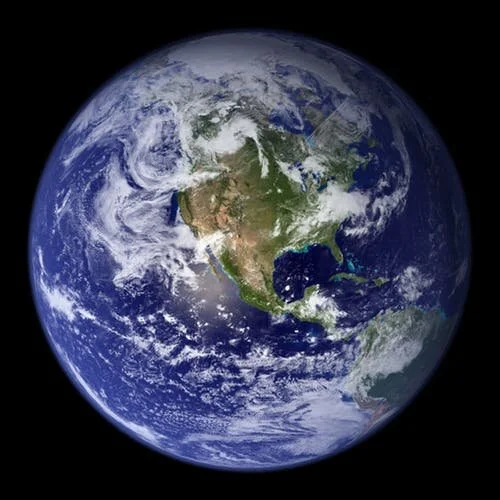
Our good and beautiful planet.

Our good and beautiful planet.

Day 19: Words and Pictures: Good

April 20, 2020 by Virginia Ruth

Good: Adjective: morally excellent; virtuous; righteous; pious: satisfactory in quality, quantity, or degree; of high quality; excellent. Noun: profit or advantage; worth; benefit: excellence or merit; kindness:

It has been interesting during the pandemic to see different celebrities/personalities use the internet to deliver communication that is uplifting, positive and encouraging. While I mostly suspect it is being done to keep one’s name on the top of everyone’s list and to promote good PR (as there is such a thing as bad press), I find it interesting that it is being done nonetheless. How strange and refreshing it is that the majority of entitled, overindulged narcissistic individuals find that in times of crisis they turn to one another and values not bought with the Amex black card.

Actor John Krasinski has inaugurated a weekly SGN (Some Good News) youtube broadcast. I cannot tell his motivation- does he truly want to talk about good things happening with ordinary people rather than Hollywood and entertainment?- but he is recognizing hometown heroes and is trying to help those who have had to sacrifice something that was important to them due to the corona virus. The highlighted stories of the delivery people, the health care workers, grocery store folks reminds those who are providing the services, they are not forgotten and those who hear the stories to not forget that we are all in this together. I am sure that he hopes that one story of encouragement might lead to another person contributing to another story of encouragement and so on.

Isn’t that the way with good news? Bad news can spread like wild fire but good news can be the rain that puts the blaze out and contributes to the nurturing of the burnt ground. Bad news destroys but good news rebuilds. It rebuilds our faith in one another and ultimately can lead to rebuilding our faith in something/someone larger than ourselves.

In this past week’s segment, there is a little video shout-out from some members in the International Space Station. One of the astronauts, Dr. Andrew Morgan stated, “Earth in crisis is still a world worth returning to”. What a lovely and true sentiment. For all our problems and conflicts, the world is an interesting, beautiful, and wonderful place with interesting, beautiful and wonderful inhabitants. I think it is through crisis that defines and makes us: tension and conflict exposes vulnerability which exposes authenticity which aligns connectivity and community. That brings about the good in people and society.

What about you? Have you seen any of the celebrity youtube broadcasts? Where have you seen the greatest good happening in your community?

April 20, 2020 /Virginia Ruth
earth, ISS20, John Krasinski, SGN
Comment
They may be weeds or unplanned perennials but I love the delicate flower and the serrated edging on the leaves.  Why, though do weeds always seem healthier than my legitimately planted flowers?

They may be weeds or unplanned perennials but I love the delicate flower and the serrated edging on the leaves. Why, though do weeds always seem healthier than my legitimately planted flowers?

Day 18: Words and Pictures: Notice

April 19, 2020 by Virginia Ruth

Notice: the fact of observing or paying attention to something. To notice: become aware of.

When our boys were little and we went on our daily walks, I used to pay more attention to my surroundings. I think partly it was to be able to point out flora and fauna or the latest digging equipment or animal. If I hadn’t spied something before them, I would soon be made aware of it with the, “what’s that, mommy?” inquiry. But I think the reason I could notice things around me was because I had time. At that point in our lives I was taking a hiatus in my “career” to be at home with them. The pattern of our days was unhurried.

Lately I feel as if that luxury of time has been returned through this global pause in activity with the corona virus. In the daily walks with the dogs we see more people out walking and are able to have more leisurely (socially distanced) conversations. Unlike before the pandemic when we would rush home with the hope to complete our canine rounds before the next outing, our current evening walks are not rushed. The global pause gives us daily pause.

The following are pictures of items I have seen on my dog walks. Not overly exciting but they are things that I have noticed.

What about you? Have you had a chance to get outside? For even a few moments? Or for a longer walk around your neighborhood? What have you seen? What have you noticed?

Bleeding hearts. String of “heart lights”.

Bleeding hearts. String of “heart lights”.

Ah violets.  (tucked among chickweed, clover and grass) Reminds me of my grandmother.  It was she who let me eat them. (She was an Euell Gibbons fan)

Ah violets. (tucked among chickweed, clover and grass) Reminds me of my grandmother. It was she who let me eat them. (She was an Euell Gibbons fan)

The young artist was out on her yard and was pleased as punch that I asked her if I could take the picture.  She was glad someone noticed.

The young artist was out on her yard and was pleased as punch that I asked her if I could take the picture. She was glad someone noticed.

The remaining daffodils.  Most of them have already past their blooms but this one…  either a late bloomer or a tenacious survivor.  Hmm.  Must be a lesson there somewhere…?

The remaining daffodils. Most of them have already past their blooms but this one… either a late bloomer or a tenacious survivor. Hmm. Must be a lesson there somewhere…?

April 19, 2020 /Virginia Ruth
1 Comment
Courtesy of visitgreece.gr website.

Courtesy of visitgreece.gr website.

Day 17: Words and Pictures: Live for Today

April 18, 2020 by Virginia Ruth
Courtesy of visitgreece.gk website.

Courtesy of visitgreece.gk website.

In our neck of the woods we have been “sheltering in place” for over a month. In some ways it seems a lot longer than that. It is hard to remember a time “before”- before empty grocery shelves, decreased road traffic, public face masks, social distancing. There are certain markers that remind me when this began: the news reports on the television in my mother-in-law’s hospital room, the first Sunday of “no church”; the beginning of daily drives of a friend to the hospital for appointments and procedures and our discussions of pandemic plans.

How much of our lives are remembered by such markers? “The afternoon I broke my wrist, the day mom died, the day of the diagnosis, the night of the phone call, the morning Fido died.”

In a short amount of time, our world and its view becomes changed. Even my physical view has become very limited to what I see outside my office window, the square images of blurry faces on zoom calls, the weekly trip to the grocery store.

It wasn’t until yesterday when I was contemplating standing in a grocery store line entrance (decided the hour long wait just to enter, not even knowing if what I planned to buy was in stock, was not worth the items) that I truly realized this might be the long haul; there is no going back to the way things were.

We have been watching The Durrells of Corfu as a nightly diversion. A fun, entertaining story set on the spectacularly beautiful Greek island of Corfu, it shows the life of the eccentric English Durrell family who lived there for about five years leading up to WWII. As we watch the show unfold, there is a sadness in my heart knowing that for the real Durrells as they lived during this time, they had no idea of what would befall them or the world in the future. I want to shout at the TV, “Enjoy what you are experiencing now, because in a couple of years all hell will break loose.”

It makes me hyper aware of what is going on in this world. Will we look back at the beginning of this pandemic and think, “If only we knew how good it was during these first few months. We had no idea of what was going to hit us”? In the first week I was worried about getting the extra items from downsizing my mother-in-laws apartment to the Salvation Army store before all closures happened. Now, worrying about our son and his fiance’s health in the thick of it outside NYC is much more of a concern.

Yet for all the time markers that remind us of what was and how it used to be, there are time markers that remind of us what is possible and what might be in the future: the day a baby is born, a family member gets married, the day a job starts, the email of the school acceptance.

The thing is, there will always be a melancholy for what is missed and what was. That is not a bad thing. It is important to remember our past and the lessons learned. If we do not contemplate what happened before and its cause and effect, we are in danger of repeating the happening. But I think that there is an even sadder situation if there is a missing of the future because of the continued remembrance of the past. I have heard it explained that if we try driving a car by only looking in the rear-view mirror, we will definitely have an accident as we accelerate forward.

While we have been going through this for over a month and we may be enduring this for more months to come, I do not want to only be thinking of what could have been or things that have been missed.

Not that my broken wrist is on the scale of a pandemic, but the time since last November when I broke it, have been times of wondering- “what could’ve been, what I have missed, what I will miss because of it, if only…” As I have moved through the healing of my wrist and recognizing that things may never be exactly as they once were, I am also in a newer place because of it. I have a new friend in the once-acquaintance who helped me immensely in my physical therapy regime. The broken wrist led to other surgeries that I had been putting off but desperately needed. I have a better appreciation for those who go through physical pain. The healing time for the wrist provided me time to regroup and consider my own work and my dedication to it.

We do not know what the future brings. This pandemic has underscored that we need to hold our future plans loosely. But that doesn’t mean one needs to be fearful of the future. Sure, things can deteriorate but they can also improve. While our past molds and shapes us, it doesn’t have to cement us into a permanent segment of time.

The story of the Durrells did not end in Corfu. Yes, they endured WWII and life changed dramatically for them. Perhaps they pined for those idyllic days but they had to move on. However, the experiences from Corfu helped define their future: Gerald Durrell wrote delightful memoirs of his time there and the outdoor explorations he experienced led him to become one of the world’s first conservationists.

What about you? Do you have remembrances that are marked by certain events? How does that shape your outlook? Do you “drive your life” looking in the rear-view mirror or looking ahead? How can you enjoy today without clinging to yesterday and worrying about tomorrow?

I am reminded of Ecclesiastes 3: 11-14: “He has made everything beautiful in its time. He has also set eternity in the human heart; yet no one can fathom what God has done from beginning to end. I know that there is nothing better for people than to be happy and to do good while they live. That each of them may eat and drink, and find satisfaction in all their toil—this is the gift of God.”

April 18, 2020 /Virginia Ruth
Corfu, Future, remembrance
Comment
William Michael Harnett, The Old Violin, 1886, oil on canvas, Gift of Mr. and Mrs. Richard Mellon Scaife in honor of Paul Mellon, 1993.15.1

William Michael Harnett, The Old Violin, 1886, oil on canvas, Gift of Mr. and Mrs. Richard Mellon Scaife in honor of Paul Mellon, 1993.15.1

Day 16: Words and Pictures: Art

April 17, 2020 by Virginia Ruth

And now for something completely different… (well, not totally)

One purpose in our 30 Days of Inspiration is to have a moment for thinking about our lives in a different way. Perhaps re-set our focus. Perhaps give us a diversion. Perhaps give us a new direction.

Click here for an activity from National Gallery of Art. Give it a try. While one exercise is designed to look at art with a family member suffering from memory loss, I think the questions and ideas can apply to anyone. You may even want to “poke around” the NGA’s website for other works of art to ponder. Hopefully it will give you some type of reprieve from the monotony of the days. Might even give you a chance to look around you in a different way. I know that art gives me a different perspective.

April 17, 2020 /Virginia Ruth
National Gallery of Art, inspirational artwork
Comment
Edison Standard Phonograph. NPS photo

Edison Standard Phonograph. NPS photo

Day 15: Words and Pictures: Innovation

April 16, 2020 by Virginia Ruth

They say that necessity is the mother of invention. I guess that is true. Think of Eli Whitney’s cotton gin (combat the labor intense hand picking of cotton); James Watt’s steam engine (to pump water out of Britain’s coal mines) or WWII’s Manhattan project (USA’s determination to build an atomic bomb before Nazi Germany).

I read that inventions are created by individuals who are curious or just like to tinker. Their new innovation may or may not be a perceived need by society. Sometimes it becomes needed. Other times it becomes needed in a way unintended by the inventor. Such was the case with Thomas Edison’s phonograph. When he originally developed it, he thought of ways it might be helpful: preserve the dying words of an individual, teach spelling, announce the time, recording books for the blind to hear. He did not foresee the use for recording music. He thought that recording music would take away the seriousness of his invention and was very slow adopting its use in that way. *

I am wondering about the innovations that will arise from these times. What intended and unintended consequences and therefore innovations will this pandemic bring? Already it is amazing to see the creativity of individuals and organizations: The network of universities with 3-D printers, all producing parts for face shields for health care workers. The refitting of manufacturing plants for ventilators, face masks and other PPE. Even the cottage industry of people making their own face masks- using vacuum HEPA or coffee filters, t-shirts, pillowcases.

Correctional facilities are making face shields, masks and gowns instead of license plates, furniture and flags. A sporting manufacturer is making face masks and gowns. There’s the college student who is making lip-readable face masks (clear panel over the mouth) so that lip reading deaf individuals can understand. The list can go on and on… It seems as if there is no end to what humankind can invent and create.

Part of the beauty is the openness to possibilities that innovation brings. To be open, one has to be open to success and failure. To be willing to “give it a go” whatever the outcome. To be willing to try.

Thomas Edison once said, “genius is 1% inspiration, 99% perspiration.” Sure, we can be innovative and create some new ideas and technology but there is a lot of time, sweat and energy that passes before that might be so.

Makes me wonder how much I may/may not have the innovator’s spirit? Am I willing to try? “Give it a go”? Am I willing to put in the “sweat equity”? Are we as a society also willing to do that?

Innovation also requires some type of sacrifice. Whether it is in precious resources for the new innovation- both physical and in people power, or time spent ( and therefore not spent in other areas).

Am I willing to think of alternatives to situations-whether my own, my families, friends or community?

What about you? Has any necessity in your life brought about innovation in your life? What does/did that look like? Are you open to possibilities? Why or why not?


  • Click here to read more about Thomas Edison. It appears the Mr. Edison wasn’t the first to invent the phonograph.

April 16, 2020 /Virginia Ruth
innovations, Thomas a. Edison, phonograph
Comment
Japan’s Takizakura tree. Believed to be over 1,000 years old. Providing hope and inspiration for generations.

Japan’s Takizakura tree. Believed to be over 1,000 years old. Providing hope and inspiration for generations.

Day 14: Words and Pictures: Inspirational Views

April 15, 2020 by Virginia Ruth

Having to “stay in place”, it is easy to only see one’s four walls- to feel closed in and cramped. Even if the sky is grey and rainy, I still feel better- more hopeful, positive- when I see the vastness of earth and sky and sea. When I look up and see the clouds floating by or watch the ocean waves crash and roll on the shore I gain a perspective that there is more to life than just this very moment. Life was, before me and will come, after me. I am just a drop in the bucket. Instead of depressing me, it gives me a sense of peace- that I am a part, albeit small part, of this world and the continuum of time.

When I feel down, I look up.

Here are some pictures that bring a smile to my face and a warmth to my heart. What about you? What pictures provide inspirational views for you?

IMG_1367.jpg
IMG_1181.jpg
IMG_1478 2.jpg
IMG_1469.jpg
IMG_1182.jpg
April 15, 2020 /Virginia Ruth
inspiration, nature, look up, sea
Comment
Artemisia Gentileschi, David and Goliath. Courtesy of Simon Gillespie Studio. **

Artemisia Gentileschi, David and Goliath. Courtesy of Simon Gillespie Studio. **

Day 13: Words and Pictures: Courage

April 14, 2020 by Virginia Ruth

Courage: “mental or moral strength to venture, persevere, and withstand danger, fear, or difficulty.” The word originates from “the Middle English corage, from Anglo-French curage, from quer, coer heart, from Latin cor- meaning heart.” (meriam-webster.com)

What do you think of when you hear the word courage? A larger than life hero? A superman who steps in front of a speeding bullet? A singing, skipping shaggy lion seeking on a yellow brick road?

For me, courage has always been exemplified by the underdog. The David versus Goliath mentality. (Give me the David- types any day.) The one who has been discounted by others, yet despite her personal failings or lack of resources still enters into the face of difficulty. I think of the health care workers, those who work in the grocery stores, the cleaners, the trash collectors- people who are out and about in order to keep our society going during this time of corona. As this pandemic continues it takes courage for them to persevere in the face of danger. It takes courage for the health experts and politicians to make policies and rules that protect the health of Americans even if it requires a sacrifice of popularity. It takes courage for parents and grandparents to keep things “normal” for their children and to carry on in the face of uncertainty.

The portrait of courage: Those people who rush into the fire to help rather than away from a heated situation. Those individuals who provide for their families, day in and day out, doing whatever it takes to put food on the table. Those explorers, adventurers, immigrants who took (and take) a chance on traveling to a new country in order to have freedom and a better life for their children and grandchildren. Those family members who consent to intubation not knowing if they will ever speak to their loved one again.

How do we cultivate courage? Can we?

The old adage is that there is strength in numbers. I believe that is true in providing courage for a community. We can handle things when we do not feel alone. We can have courage when there is someone walking beside us. “Two are better than one,” the Hebrew wiseman said. “ And though a man might prevail against one who is alone, two will withstand him- a threefold cord is not quickly broken.” (Ecclesiastes 4: 9, 12)

To encourage is to give another person courage to continue, it requires more than one person. Sometimes one’s lack of courage can be cultivated by another’s- the other can offer en-couragement. Knowing how a person in the past handled a difficult situation and took courage in the face of it, strengthens my resolve to do likewise.

I know that when I start getting anxious, worried and my strength falters, I take a deep breath and find comfort in the words of others and the Bible.

“Be strong and courageous.” Joshua reminds the Hebrews when they as the underdogs are ready to move into the promised land. “For nothing will be impossible with God,” the angel tells Mary when her life is turned upside down with the unexpected visit and change to her life circumstances. “I will never leave you, nor forsake you,” God reminds His people, both in the Old and New Testament.

When our courage falters, take heart. Look for stories of people being courageous. Find out what others are doing. Share with one another. Encourage one another. Be the David for someone else.


** To find out more about this fascinating woman artist- click here.

April 14, 2020 /Virginia Ruth
courage, David and Goliath, Artemisia Gentileschi, en-courage
Comment
The Incredulity of Saint Thomas, Caravaggio, 1601-1602, Sanssouci, Potsdam

The Incredulity of Saint Thomas, Caravaggio, 1601-1602, Sanssouci, Potsdam

Day 12: Words and Pictures: Grace

April 13, 2020 by Virginia Ruth

And so, today is Easter Monday. In normal circumstances, it may be a day off following a holiday. A time to recoup: vacuum the crumb- laden carpet, discover well-hidden Easter eggs, clean up the chocolate wrappers, put away the holiday china, get ready for the remainder of the spring.

On the spiritual side, it is a day to let the events of last week and weekend settle into our hearts. How are we to respond? To ponder what does it mean for us? The concepts of sin? Mercy? Forgiveness? Grace?

Grace. God giving us what we do not deserve. A gift. We cannot earn it, we not deserve it and we cannot buy it.

When I truly think about it, it elicits a response of immense overwhelming gratitude; by accepting the gift of God’s love for me, I can have eternal life- never being separate from God. Amazing.

I am drawn to the paintings of the Renaissance painter Caravaggio. His subject matter can be a little off putting but the way he captures light onto the canvas is nothing short of miraculous. If you think talent is given in proportion to a person’s moral character, then he certainly didn’t deserve the accolades. He was the bad@!! renaissance painter. He never showed any morals (constantly arguing, fighting, seeming to have a demon in his soul) yet he was given the incredible gift of painting.

I think of Wolfgang Amadeus Mozart. Another genius with questionable morals. The whole question about a selfish, arrogant, brat being gifted with enormous talent and genius is at the heart of the story, Amadeus. Certainly Mozart’s rival, the religious Anthony Salieri wonders about it.

Undeserved gifts.

I love the story behind the hymn Amazing Grace. Written by John Newton, a former slave trader turned abolitionist, it expresses how none of us deserves this grace. We all are wretches in some form or another. As exemplified by Newton’s life, none of our actions or thoughts are pure one way or the other: good versus evil. We are complicated beings. Inconsistent, sometimes getting it, sometimes not, at times good, at times bad. Which again is the point of grace- we all fall short when it comes to being absolutely good/perfect people. Cannot be done.

And so, we need to accept the gift of God’s grace to move along in the world.

What about you? What do you think of grace? For yourself? For others?

Part of my reaction to the grace I have received is to extend grace to others: do I give people the gift of understanding, compassion, love when they may not “deserve” it? How can I be a grace-filled, grace- extender in my corner of the world today? How about you?


Click here for Andrea Bocelli: Music for Hope. At minute 19 he sings the old hymn: Amazing Grace.

Click here for more about John Newton.

Click here to read more about Caravaggio.

April 13, 2020 /Virginia Ruth
Grace, Caravaggio, Mozart, John Newton, undeserved
Comment
William-Adolphe Bouguereau: Les saintes femmes au tombeau (The three holy women at the tomb) , 1876.

William-Adolphe Bouguereau: Les saintes femmes au tombeau (The three holy women at the tomb) , 1876.

Day 11: Words and Pictures: Easter

April 12, 2020 by Virginia Ruth

Happy Easter! In the words of Christendom- He is risen! He is risen indeed!

One of the things I like about this painting is that the subjects are women at the tomb. The fact that women were noted, named and chronicled in the Bible, especially the New Testament speaks to God’s love of ALL people. All individuals, even those with low social standing such as women in those days, were noted, named and chronicled by Jesus. It speaks to how ALL people, no matter their bank account, influence, schooling, family background, race, lifestyle are welcomed in His arms. God relentlessly pursues ALL to come back to the tomb, find it empty and discover Jesus is living. God desires to have a relationship, not a “religion-ship”, with ALL. What an amazing concept! A Happy Day indeed.

April 12, 2020 /Virginia Ruth
Happy Easter
Comment
animal-avian-beak-beautiful-357089.jpg

Day 10: Words and Pictures: Interval

April 11, 2020 by Virginia Ruth


“Bump, bump, bump”. Once again the cardinal flew into the dining room window. He wouldn’t stop and I was convinced he was hurting himself. Unfortunately I couldn’t tell him to not do that. I don’t speak “bird” and so couldn’t communicate and explain that there was not any rival bird in the window, just his own reflection.

In some ways, that is the Jesus’ story: He came to earth to be able to communicate to us in a way that we would understand and to prevent us from the ultimate harm- separation from God.

But this is where the analogy ends. Jesus sacrificed all for us: humbling himself as a human and suffering all the conditions we do including the most horrible death. The good news, why this weekend is one of eternal importance, is that Jesus also conquered death- He rose from the grave (spoiler alert for tomorrow) and lives (no past tense).

Holy Saturday. The day of rest or Sabbath, for the Jews in Jesus’ day. They had to quickly take him off the cross Friday night, before sundown and bury him before the Sabbath began. What I find interesting is that God didn’t have some cosmic resurrection from the cross. He could’ve. He could’ve saved himself, come down from the cross, as many in the mocking crowd suggested but Jesus had to be declared dead and buried in order to completely conquer death and win the battle for all of us and our sins.

For us, Holy Saturday should be a comfort. While it is a day of mourning, Saturday represents the time when things are becoming right with God. The time cannot be rushed. There is some waiting involved. I wonder if the waiting is another analogy of the waiting that God is doing until all His beloved children come back to Him. We are living in the interval time from what was (Creation) to what will be (new Heaven and Earth). The intermission between acts.

And so Saturday is a day of “rest” before Easter Sunday. While we know what happens tomorrow and what that changes for us and for humankind, we still have to live through Saturday. A day that must’ve been surreal, troubling, full of anguish for Jesus’ family, friends and followers. For many, mourning is a season of rest, a complete pause from what was and what will be. It is an intermission that is difficult, emotional, and seemingly unrelenting. Yet it cannot be rushed. It is a time that prepares us for an eternal reunion. It is the interval that connects the past to the future: mourning that will turn into dancing someday.

As we prepare for Easter, do you believe that Jesus did come to earth? That he lived, suffered, died and rose again? Do you think that he saved us from ourselves or is that a manmade ideology to provide comfort in unexplainable circumstances?

Are you living in your own “Holy Saturday”? Are you grieving the loss of a loved one? How can you come alongside someone who is mourning? In this time of Corona, while we may not physically come alongside one another, could you offer support over the phone, a letter or email?

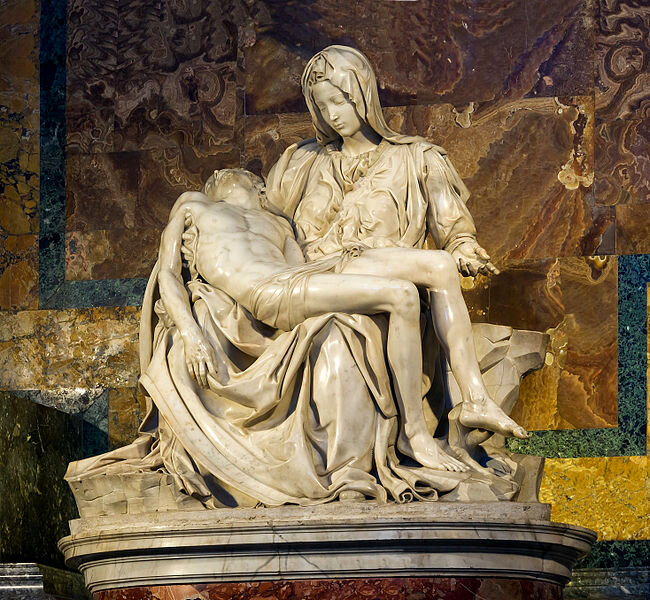
the "Pietà" by Michelangelo, Saint-Peter's Basilica, Vatican City. A magnificent work of art- this was carved out of one block of marble- the folds of her robe look more like cloth than stone.One image that I think of for the suffering of Christ: de…

the "Pietà" by Michelangelo, Saint-Peter's Basilica, Vatican City. A magnificent work of art- this was carved out of one block of marble- the folds of her robe look more like cloth than stone.

One image that I think of for the suffering of Christ: death and the (temporary) separation of loved ones. This was Mary’s “Holy Saturday”, the interval before she sees her beloved son again. Any mother who has lost her child…

April 11, 2020 /Virginia Ruth
Holy Saturday, mourning, interval, intermission, rest, Sabbath
Comment
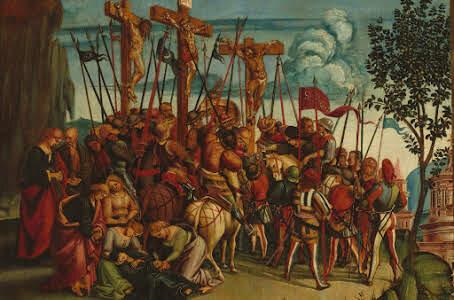
Luca Signorelli, The Crucifixion c. 1504/1505 tempera, oil, and gilding on panel. National Gallery of Art.  I like the reminder of the two criminals alongside Christ: which one am I?

Luca Signorelli, The Crucifixion c. 1504/1505 tempera, oil, and gilding on panel. National Gallery of Art. I like the reminder of the two criminals alongside Christ: which one am I?

Day 9: Words and Pictures: Mercy

April 10, 2020 by Virginia Ruth

Good Friday. The day that is remembered for Christ’s crucification on the cross. His death was the eternal symbol for our death: through His sacrifice we are not sacrificed.

Mercy. In the Christian tradition, mercy means God not giving us what we deserve. As flawed humans due to our freedom of choice for original sin, we broke our relationship with the perfect, sinless God. Because of that, we cannot be in God’s presence: to be in His presence full of our sin would be our death. Our sin causes our death. In essence, we deserve to be on the cross but Jesus intervened for us.

I think all of us know the feeling, to some degree or another, of knowing we have received “a pass”: we know when we really deserved an “F” when we didn’t study; we didn’t get a ticket when we were pulled over for speeding; not being as caring as others seem to think we are. The two criminals condemned to death alongside Christ were going to get what they deserved- physical and spiritual death yet Jesus intervenes, “Assuredly, I say to you, today you will be with Me in paradise’”.

As I reflect on this day, I am grateful that a loving God gave me an eternal “pass”: that He is not giving me what I truly deserve. The two criminals represent how I can be- one in mocking about Christ and one in accepting Him for who He is. God has shown great mercy on me. All I need to do is respond.

Do we offer mercy to others? We might even feel justified yet we choose not to act, do, or say to another what they truly deserve. What does that look like?

April 10, 2020 /Virginia Ruth
Good Friday, Mercy
Comment
One of the world’s most famous murals- Leonardo da Vinci, Last Supper, 1498, tempera and oil on plaster (Santa Maria della Grazie, Milan)

One of the world’s most famous murals- Leonardo da Vinci, Last Supper, 1498, tempera and oil on plaster (Santa Maria della Grazie, Milan)

Day 8: Words and Pictures: The Last Supper

April 09, 2020 by Virginia Ruth

Today is Maundy Thursday, the commemoration of Jesus celebrating the Passover feast with His disciples. At the gathering He washes His disciples’ feet in an act of humility and asks that His disciples do likewise. He uses the items from the Seder as new symbols of remembrance: the cup and bread. He also tells them, “A new commandment I give you, that you love one another, just as I have loved you, you also are to love one another.”

It is interesting that in Leonardo da Vinci’s depiction of the last supper, he chooses to draw the scene when Jesus tells the disciples that one of them will betray Him. He also does not add halos to any of their heads. He is letting their human emotion and commonness be viewed.

While I do not believe Leonardo was a theologian (and neither am I), I like the idea that he doesn’t add any sainthood to those seated at the table. While Jesus would certainly deserve the halo and I do believe (while I may not completely understand it) that Jesus is fully man and fully God, Leonardo’s depiction of Jesus without the halo speaks to His human nature: He was resigned to the plans His father had given Him- to be the Savior for the world. As we know from the writings of His time on the Mount of Olives, Jesus did not enter into His death blithely. His human side wanted the cup (symbolism of his death) to pass over Him but He was obedient to the will of God.

While we are not perfect like Christ, we can be obedient to God’s direction of loving one another. Certainly we can get it wrong. All twelve of those depicted there got it wrong at one point or another. Yet Jesus did not hold it against them (da Vinci depicts a serenity on Christ’s face) for He forgives them and loves them even knowing that they will not be obedient at times and will betray Him in large and small ways. It could only be God who could forgive like that. This last supper, this time to impart His final words to His disciples are also words for each one of us. He knows that we will betray Him in large and small ways yet He loves us unconditionally.

On this day, a day of remembrance, what can we learn from Jesus’ behavior? Are we obedient in loving our neighbors, even when we may be frightened about our individual safety? Are we willing to share our resources so that others might live? If you were partaking in your last supper, what words would you impart to your guests? For what would you want to be remembered?


The Tongerlo Last Supper, by Leonardo da Vinci and his studio. Courtesy of the Sheen Center. “Second copy” of his work. While it is thought not to be a true copy, it does give an idea of what the original might have looked like in 1498.

The Tongerlo Last Supper, by Leonardo da Vinci and his studio. Courtesy of the Sheen Center. “Second copy” of his work. While it is thought not to be a true copy, it does give an idea of what the original might have looked like in 1498.


Click here for a quick tutorial about the meaning of the painting.

Click here for a brief synopsis.

April 09, 2020 /Virginia Ruth
Maundy Thursday, Leonardo da Vinci's The Last Supper, Obedience, Loving one another
Comment
  • Newer
  • Older

Subscribe

Sign up with your email address to receive news and updates.

We respect your privacy.

Thank you!