
Finances 101
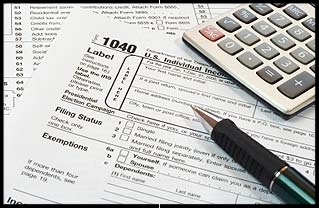
As Benjamin Franklin wrote to Jean-Baptiste Leroy in 1789 (many years before Mark Twain's attributed quote), “Notre constitution nouvelle est actuellement établie, tout paraît nous promettre qu’elle sera durable; mais, dans ce monde, il n’y a rien d’assure que la mort et les impôts.” or rather, "“Our new Constitution is now established, everything seems to promise it will be durable; but, in this world, nothing is certain except death and taxes.”
Tax season. For most it is met with dread. The process of collecting all the receipts, forms and paperwork is enough to drive someone to distraction. Yet, it is something we all have to do.
When we do our taxes it always gives me pause: Should I have been a better steward with our resources? Why didn't we save more? Did we share enough with others? What the heck did I do/spend with the money we received? Why wasn't I more frugal?
I have been thinking over all the financial advice that I have read and received over the years. I need to revisit how I practice it. It really comes down to some simple steps:
Budget. Every financial advice column talks about a budget and the need to first develop one. You need to get a handle on your income but more importantly, you need to understand where you are spending your money. Some things are non-negotiable but most of us spend money on non-essentials and discretionary spending.
Save. Besides a budget, almost all financial advice talks about "paying yourself first". Personally I believe in giving first (see last point), but saving is up there too. In many incidences it is recommended to have money taken directly from a paycheck and put into a savings account, an IRA or some sort of savings/investment plan. The idea is "out of sight, out of mind" or spending.
Financial Fasting. Many years ago I read about a practice of financial fasting. For a set amount of time, one should spend money on only the essentials- food, shelter, transportation. The thought is to try and live within those parameters for say, a month, and save the rest of your income. This might be a good beginning practice in preparation for setting up an ongoing savings account. Or if you need to get your budget in alignment, financial fasting can help you prioritize what is important.
Give. There are many reasons to be generous with our finances. We are called to be a people who share. I believe that we give in response to our gratitude to God. It is also a faith gesture- we give even when it doesn't seem to make budgetary sense. Somehow in God's economy it all works out. Plus, it does seem as if we should be able to financially live on 80% of our income (saving 10% and giving 10%) or at least strive for that as a goal.
What about you? How are your finances? Is it a source of great anxiety and stress in your household? How can you get a handle on it? Do you need to see a financial counselor? Do you need to give up some area of spending in order to gain some peace of mind? After all, isn't that what it is all about? Financial Peace.
Welfare Challenge
This week I decided that my husband and I would try the welfare food challenge (see post Up For A Challenge? February 25, 2016). Our challenge was to eat $57 (allotted $4/person/day) of food for the week. This was our grocery list: ground beef (1 pound); 1 dozen eggs; 2 lbs bags of whole grain pasta; butternut squash; potatoes; onion; celery; strawberries; grapefruit; apples; grapes; red peppers; grape tomatoes; black olives; yogurt; oatmeal; milk; cream; homemade bread; frozen green beans; peas; tea; coffee (using a gift bag); spaghetti sauce; mayo; butter; olive oil.
Our menus consisted of breakfast: yogurt + fruit or stovetop old-fashioned oatmeal or poached eggs, toast, grapefruit. lunch: egg salad sandwiches, any dinner leftovers + grapes or apples dinner: homemade butternut squash soup; spaghetti with meat sauce; pasta with sautéed vegetables (using up any vegetables from the fridge). Some of the staples we already had in the pantry- olive oil, mayo, butter, etc. Actually, I had most of the food already in the fridge- was using up what we had in a different way- I ball parked the cost of the different foods to try and keep under the $ amount.
Of course as we conduct this challenge I am aware that we have a safety net. There is food in our pantry, money in the bank and time to plan our meals. Many of those on welfare have none of those extras. I also know how to cook especially making things from scratch.
This week we also had a few unexpected and un-budgeted expenses. One such occurred while I I was doing my spring cleaning, I broke a glass shade in our kitchen. I can replace it but not everyone has the money for the "extras". Those who are on a tight welfare budget most likely would have to make choices between eating, household repairs, medical expenses, car repairs, etc. Even though food was the only part of the challenge, the extra expenses this week made me mindful of how tight some budgets may be.
It is difficult to eat healthy meals with a limited budget. This time of year we don't have the advantage of farmers' markets or growing our own food. Even if it was harvest season, it takes time and money (purchasing the equipment) to can or freeze food for the future. One can see why some of the working poor have unhealthy eating habits. In order to stretch the budget, sometimes people choose the calorie dense, nutritionally poor choice.
I am glad that we tried the challenge. I would like to practice it again. It provides a tangible reminder of those less fortunate around us. It also is good to assess our eating habits, bills and grocery lists.
Interestingly that this week I came across an article about The Food Project organization. What a great organization- they combine youth, food and community. "Since 1991, The Food Project has built a national model of engaging young people in personal and social change through sustainable agriculture." Young people from a variety of backgrounds come together to learn about sustainable agriculture and the practicalities of farming, harvesting, and selling their produce. Part of the food grown is given to food pantries. The program, through the education of agriculture, is bringing people together while giving them information and skills to practice a healthy, simple, relatively inexpensive lifestyle. The program, through the education of agriculture, serves and builds a greater community. What better way to get to know others, especially those who are different from ourselves, through the working together to provide and share basic resources with one another.