
Prep for the 250th
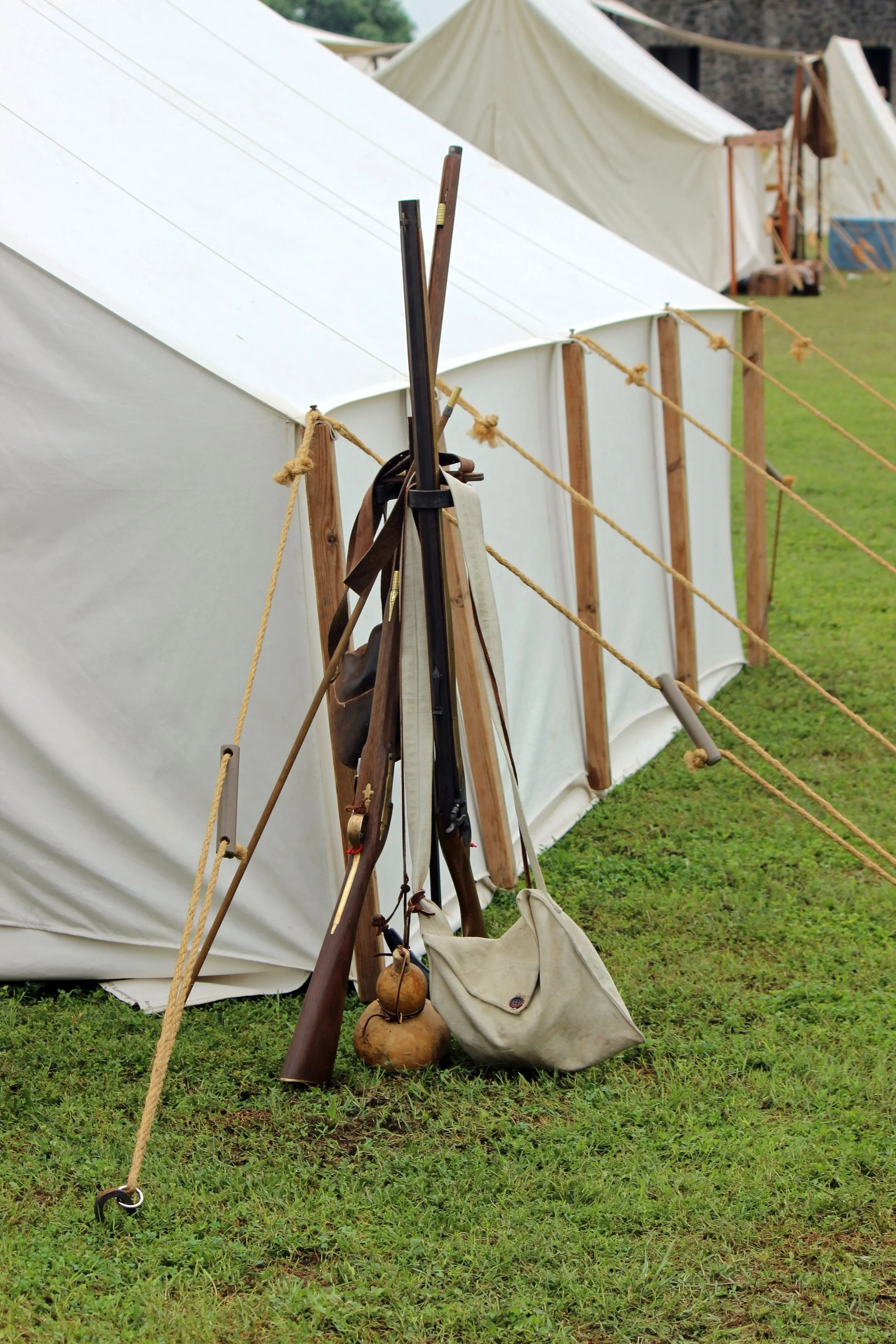
Are you ready for this year’s Fourth of July? Our country’s big 250th. Do you remember our 200th? Where were you?
I don’t remember the actual Bicentennial Fourth of July day. I cannot remember if my parents had their summer house by 1976. If they did, then most certainly we went to the Fourth of July parade in town. (We did that every year after they had the house.) I do remember watching the tall ships entering into NY harbor on the recreational room television in our NJ home. In checking good ole google, that occurred on Sunday, July 4th so my family must’ve been in NJ for that day. So much for memory.
I do remember going to visit the Freedom train when it came through. Many of the artifacts were items I had already seen during history trips with either my parents or grandmother. One of the perks of living on the East Coast- much of the Revolutionary history took place nearby and so it was easy to visit the actual sites- but there were other Americana items that I hadn’t seen.
I’ve been thinking about one of my relatives- William Morris who fought in the Revolutionary War and his family. Were they divided in the sentiments for separating from England? While some of my ancestors were English, most of the family were either Dutch or French Huguenot. Did that change one’s allegiance?
The family story is that one side of the family were Loyalists and not in favor of rebelling. They moved to Canada during the conflict. And as far as I know, that part of the family never reconnected until almost two hundred years later when my dad and mom met another couple on a cruise who were part of “that side of the family”.
William, who served in the war was a drummer. He enlisted/reenlisted seven times during the course of the conflict. According to his record, he would serve his time, six months or so, and then reenlist. He was in the Battle of Trenton, part of the Sullivan expedition and was in an artillery company that captured a British vessel in Elizabeth, NJ. For some reason between the spring of 1777 and the summer of 1779 he didn’t enlist and he must have been home. Did he come home and work on the farm? His final enlistment was on a privateer “Rambler” which was captured by a British Man-O-War, “Amphitrite”. He was on the infamous prisoner ship, HMS Jersey that was in New York. How he survived is a miracle. At the end of the war he was part of a prisoner exchange in Hampton, Virginia. Again, how he got home from Virginia is another mystery.
I just can’t imagine war on our shores. Of course, it could happen as it did in the past. I think of the logistics of war- transporting the troops, feeding them, the amount of resources and energy it takes to keep things going and then there is the toll on the land and place where the conflicts take place. When you learn about their provisions, I always think- how did they survive? How did they have any energy to march to all the places much less fight? I always think, what would I do in such and such a situation? Certainly I feel a strong desire to protect my family, friends and those who are most vulnerable. (Heck, I have become THAT woman who yells as cars as they travel too fast for our quiet street. I would do anything to protect the children who walk past my house to school and play in the neighborhood.) But at what cost?
Did William agree with all that he signed up for? In reading a little about the Sullivan expedition, I was horrified to find that it was a scorched earth policy and a retaliation to the Iroquois Nation for an earlier massacred of Americans by British backed Iroquois warriors. War is hell. No one wins.
To me, the whole idea of war seems ridiculous in this day and age. For all our technology and learning, one would think we would have moved beyond the basic war mongering and that we would want to keep developing and building up our society and culture rather than destroying and tearing it down.
Sadly, nothing has changed in human behavior and mindset. Like grabby toddlers, we return again and again to the “I want…”, “I need…” stage of life- with the emphasis on “I”. We are now in a position that not only do leaders want something from other countries, but there are definitely needs (like water resources or areas too hot to live) happening in the world that have become power grabs. We need an adult to step in and say, “Use your words, Why not share? or How about you swap and let Billy have your truck while you play with his ball.”
Yet, I am very grateful for those who fought for our freedom. Suffering unbelievable conditions. They sacrificed. Both those who fought and those who stayed home. Even those gentlemen who signed the Declaration of Independence sacrificed, knowing that they signed their death warrant. A treasonous act on paper if ever there was one. If we hadn’t revolted, what would our country look like today?
What about you? Do you remember the Bicentennial? What are you doing for the Semiquincentennial? Is your neighborhood, town, city doing anything special? What would feel “American” for you? Reading or watching any patriotic books or films? Biographies?
Thinking back to our Bicentennial, it seems as if the country was very excited about it. I don’t get that same enthusiasm today for our Semiquincentennial. Perhaps it is because that is not an easy name to say? Do we feel less American today than before?
The thing that always gets me about our country is the care we have for others. I recently heard that even with all our federal aid cuts to various programs, still America is one of the most generous countries on earth. With all these latest entanglements, I pray that we do not lose that virtue or our empathy towards each other.
It is in our connections with one another- meeting our neighbors, sharing our stories, living life with one another that makes us Americans.
As Americans who tell our story, we cannot forget nor exclude anyone: those whose ancestors were here at the dawn of time to those who just arrived on our shores. There is an interesting project happening through Story Corps: conversations between Americans. The Library of Congress will create a recorded archive of a conversation between American strangers. Check out connect250.org.
This summer there are a few things I would like to see and read in light of the Semequincentennial: Ken Burns’ The American Revolution; The Crooked Places Made Straight by Senator Rev. Raphael G. Warnock; The Lost Founder: James Wilson and the Forgotten Fight for the People’s Constitution by Jesse Wegman; Stealing America: The Hidden Story of Indigenous Slavery in US History by Linford D. Fisher, and The U.S. Constitution by Melissa Murray.
As with all anniversaries, birthdays and any milestones- it is a good time for reflection and projections. May we, as Americans reflect on our past- the good, bad and ugly and then, learning from our mistakes, move forward into a more hopeful and promising future.
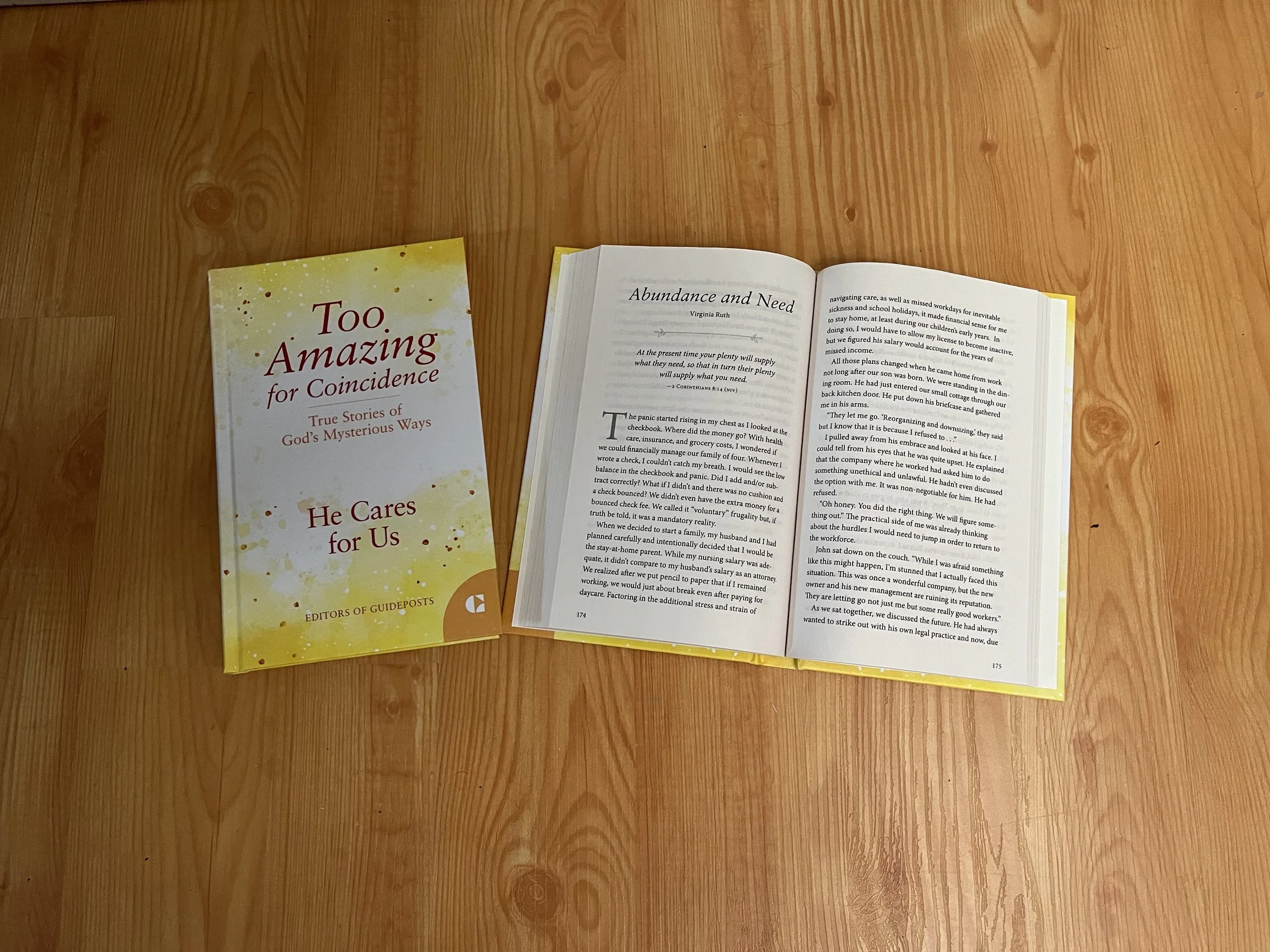
Received in the mail yesterday the next book from Guideposts: Too Amazing for Coincidence. I share a story about God’s miraculous provision for us in our time of need.
Getting Along

Spoken by the man who lived his words. Without communication how can any relationship form, maintain and thrive?
Our church leadership group is reading a book, The Good and Beautiful Community, by James Bryan Smith. It is a book that brings together the ideas of spiritual formation and community engagement. It is thought-provoking as well as practical.
We recently discussed one of the chapters: “The Christ-Centered Community; Loving those we disagree with. What struck me was the emphasis on getting along, something that is in short supply lately. When we really stop and think about it, most times we disagree with others on non-essential issues: ideas or actions that in the long haul won’t matter. Similarly to the big Christmas argument that no one in the family quite remembers the topic. Relationships become tense and possibly broken as each side harbors hurt, wounded pride and misunderstanding. When we really get to the heart of an issue we find that we generally agree on essential fundamentals. Not all the time, of course. And recently there seems to be more and more disagreement on even the essentials of human existence.
In the application section, the author reminds us of the 18th-century Methodist leader John Wesley’s advice on loving those with whom we disagree:
Treat them as companions.
Do not think of speak evil of them.
Pray for them.
Encourage them to do good.
Collaborate with them in ministry.
Granted, this is written for Christ-followers in getting along with other Christ-followers, but I think that it has universal appeal. I think that these truths apply across the board. Just because someone doesn’t have your same beliefs doesn’t mean that you cannot pray for them (or think about putting your shoes in theirs for a while). While one might not call their work, “ministry”, you can still work with others in whatever job/service they do.
Makes me wonder- what would happen if our President and Congressional members prayed for each other? Treated one another as companions? Encouraged one another? Did not speak evil of each other?And, shall we even dare say, collaborated together?
Closer to home, what about the people with whom I disagree? Some times I am so annoyed with others that I do not want to think or pray for them and I definitely do not want to encourage or collaborate with them. Although I definitely want to speak evil of them- to all who will listen! Not a very good approach to building community.
Are you currently not getting along with someone or a group of someones? Are there any of the five suggestions you can try? I am thinking of one woman in particular who drives me crazy. Perhaps I need to stop thinking (and speaking) “evil”. (Evil might be too strong a word. But I do have the tendency to speak those subtle sarcastic remarks which are not encouraging nor uplifting.)
I did hear some wise advice once: find something positive to begin and end each conversation. If only certain twits (Is that the name for people who use Twitter?) would start that practice, imagine how much our political scene would change.
What about you? How do you handle disagreements? With your family, friends or co-workers? Do you ignore them? Provoke them? Love them?
Today, how can you get along with others or help someone else get along?