Day #10- Irresistible
Day #10- Irresistible. What have you seen that is so good or attractive that you cannot resist? #40DaysofEncouragement #40DaysofGoodShit. @virginiaruth010
Making life worth living well

Day #10- Irresistible. What have you seen that is so good or attractive that you cannot resist? #40DaysofEncouragement #40DaysofGoodShit. @virginiaruth010

Day #9- Credible. What have you seen that you are able to believe? Trustworthy? Something that possesses competence or expertise? #40DaysofEncouragement #40DaysofGoodShit @virginiaruth010

Day #8- Funny. Anything strike you funny today? #40DaysofEncouragement #40DaysofGoodShit @virginiaruth010
Three weeks ago I woke up with a head cold. You know the type: eyes are sore and feel heavy, headache, congestion with intermittent nasal drainage followed by trickling-down the back of the throat, guaranteed to cause fits of eye-watering coughing in which you think you will cough out part of your brain and lungs. Wasn’t the flu and it wasn’t covid. Just the old-fashioned head cold.
So, I cancelled/postponed any in-person meetings/events, drank lots of fluids, and rested. I had to take a sick day (actually a bunch of sick days until I was reasonably “normal”.)
While I find being under the weather incredibly annoying, secretly it was kind of nice to have an excuse to not be so busy. Dare I say, it reminded me a little of the pandemic and those open-ended days.
Of course, during the pandemic, I was feeling healthy and so, feeling a little cooped up. For most of the cold week, I wasn’t feeling like doing anything: didn’t want to read, or watch any movies, or even sleep.

The tree outside our front windows.
On Monday, we had a doozy of a blizzard in my neck of the woods. The governor banned all travel on Monday and Tuesday. Our street had one lane plowed (we are the emergency route) but all other streets around us have not been plowed as of this writing. Fortunately we have power and so it is another type of rest day.
But this feeling of having a “sick or snow day” intrigues me. Many years ago, in the employment parlance, they talked of a “mental health day”. Not sure if that is the correct term nowadays.
There is something to be said about having a mental health day- a day to clear one’s mind and to reset the pace of our living.
Of course, the Creator of the Universe- which includes the creation of each one of us- knew that we needed a regular “mental health day” which God called the Sabbath. Of course, Sabbath is different from just taking a day off, in that there is a spiritual element to it. The fact that we become, “short-changed” each week of a productive day is one of faith: We rely on God’s time not our own. Just like God’s economy of money, in God’s economy of time, when we give to God first, miraculously, all our needs, demands and responsibilities are met.
According to the Mayo Clinic, everyone would do well to have a mental health day, before any burnout or “sickness” really occurs. It is a day to recharge but not necessarily to just do nothing- or to sit or lie in bed all day (though, I imagine for some, having a day or part of a day like that would be a luxury and well received.) The Mayo Clinic suggests the following: *
Unplug social media
Review Goals
Be creative
Get physical
Spend time outdoors
What about you? Have you ever taken a mental health day? If so, what was happening for you to do so? Or, do you keep going until something, like a cold knocks you out? Do you regularly practice a Sabbath? What does that look like for you?
During this Lenten time, some people take on a practice. I have been sending out daily words for us to contemplate. In addition, I would encourage us to practice a Sabbath on our Sundays: to take some time outdoors-noticing the beauty of the created world, to do something other than our routine on “normal” days and to look at our surroundings with a heart posture of gratitude.

Day #7- Cherish. What do you hold dear or care very deeply about? #40DaysLentenEncouragement #40DaysofGoodShit @virginiaruth010
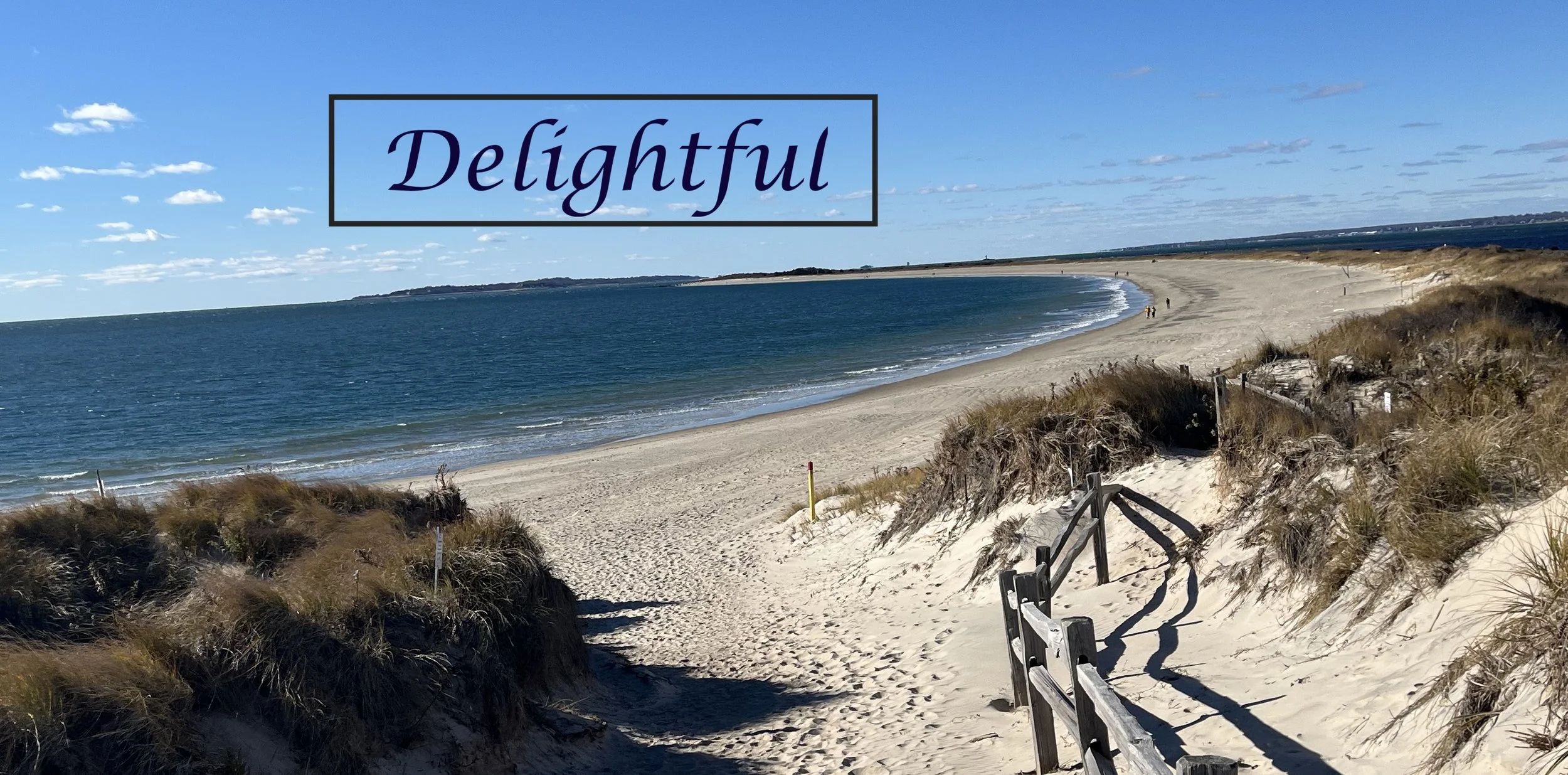
Day #6- Delightful. What have you noticed that you find very pleasant, attractive or enjoyable? #40DaysofEncouragement #40DaysofGoodShit @virginiaruth010

Day #5- Compelling. What have you seen that evokes your interest, attention or admiration in a powerful way? #40DaysLentenEncouragement #40DaysofGoodShit @virginiaruth010

Day 4- Have you witnessed honorable behavior today? If so, what happened? #40DaysLentenEncouragement #40DaysofGoodShit @virginiaruth010
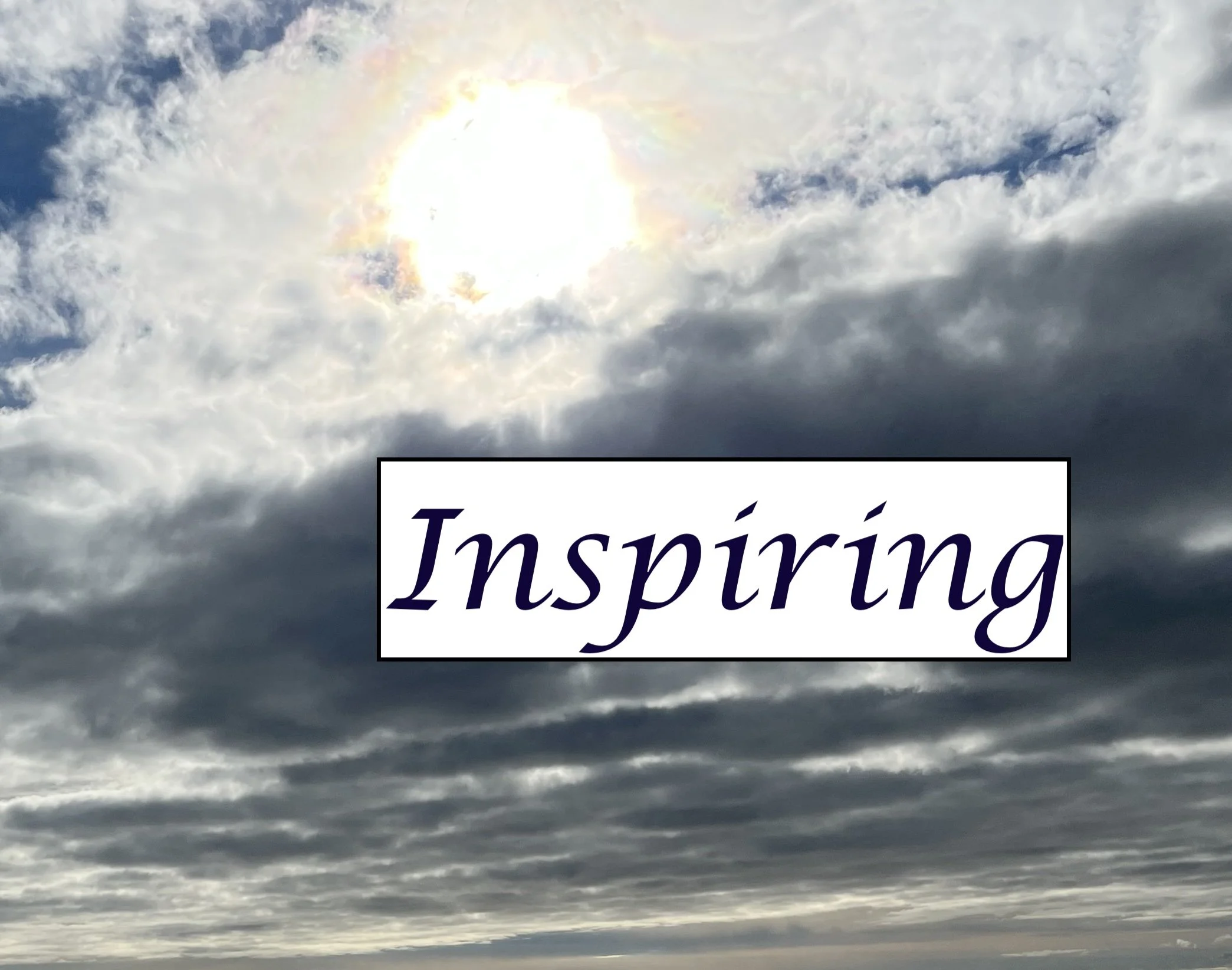
Day 3- Inspiring. What have you seen that has inspired you? To try something new? To be courageous? To make today better than yesterday? #40DaysLentenEncouragement #40DaysofGoodShit @virginiaruth010
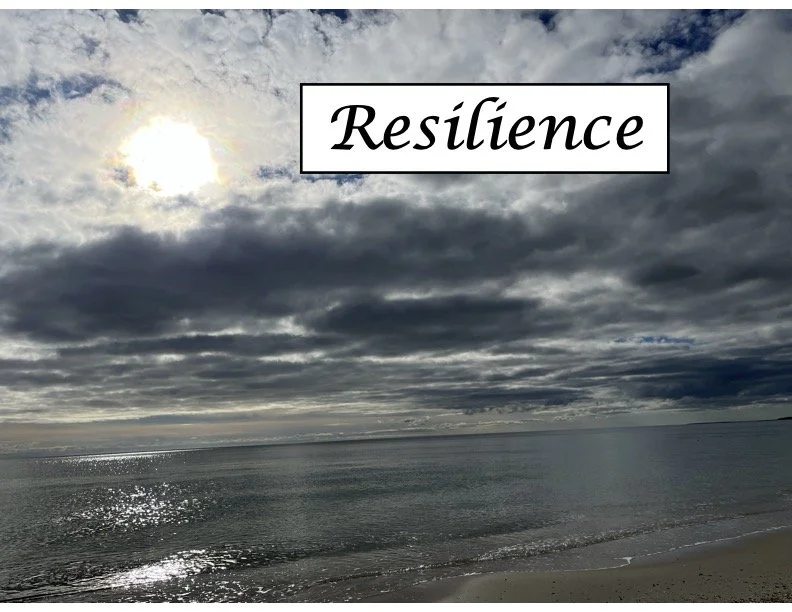
Day 2- Resilience. What or who around you shows resilience? #40DaysLentenEncouragement #40DaysofGoodShit @virginiaruth010
Today, look around for kindness. Or be the epitome of kindness to someone who might need it. #40DaysLentenEncouragment #40DaysofGoodShit @virginiaruth010
Today is the beginning of Lent- the forty days prior to Easter, not including Sundays. Not growing up with a liturgical background, Lent really didn’t have any specific meaning to me. I remember my neighborhood playmate who, being Catholic, “gave up” something for Lent. Usually chocolate, sugar or something of that nature. It baffled me, “You mean you can’t have this cookie?” I would ask Kathy. I was grateful for being Protestant and therefore, didn’t have to do that.
In more recent years, I have become more interested in the liturgical calendar and the rationale behind the design. I see the symbolism, the mystical beauty and comfort of the liturgical rhythm. I see how it all fits together and is such a great teaching tool especially for those who are different types of learners.
Just yesterday, I received an email newsletter from a pastor that I sometimes read. She suggested that for Lent, instead of giving up an item, think about giving up an attitude, namely to give up despair or discouragement. She is encouraging people to notice the good around each one of us. And while social media may be a contributing factor towards our despair, she is encouraging others to use social media to spread goodness.
The idea is to notice something good every day during Lent and to share that positivity through social media.
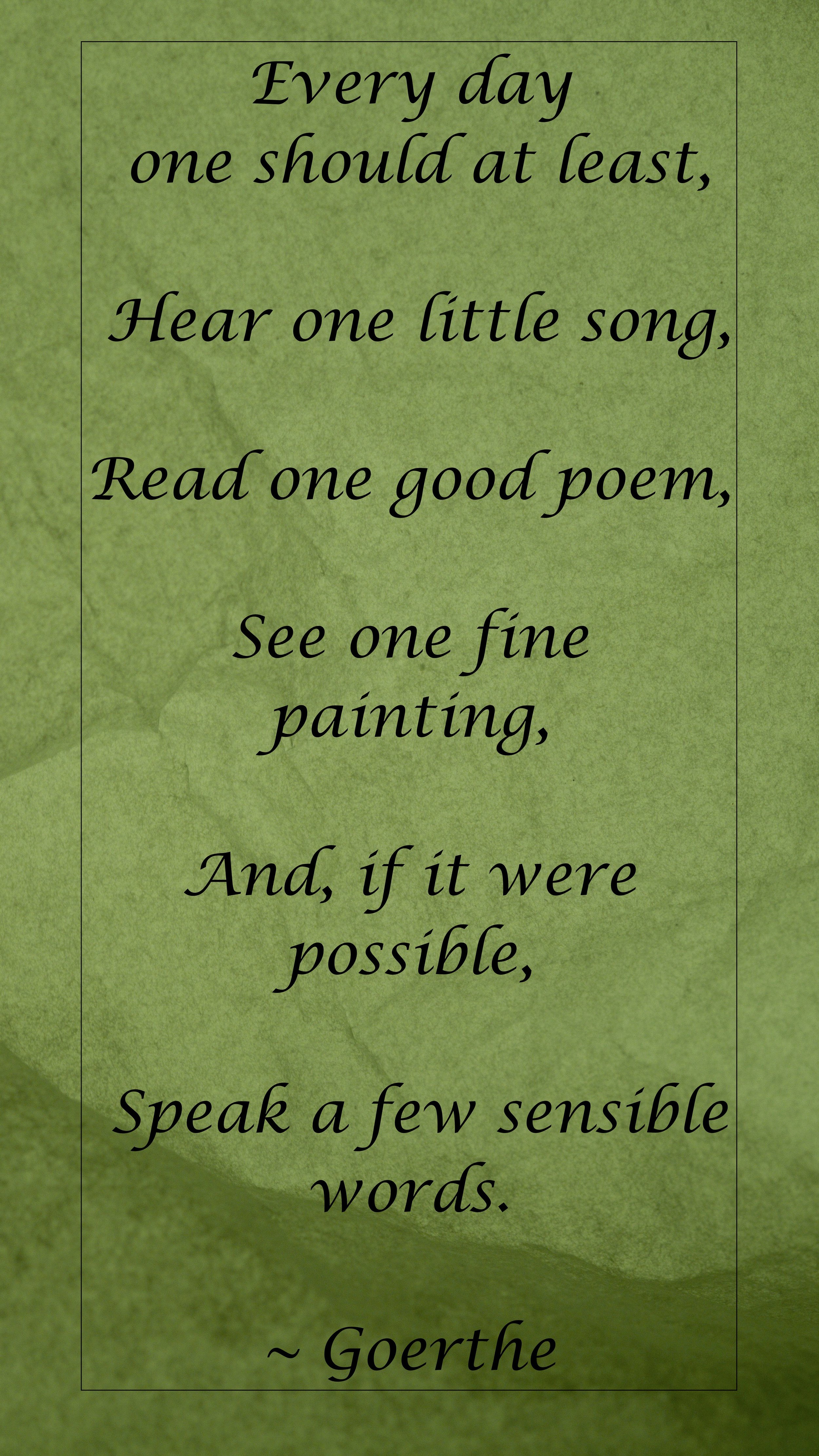
One of my absolute favorite quotes.
Her only criteria is that it has to be something that you personally witnessed. It cannot be something that was reported on a social media page. For instance, she would not comment on the walk for peace monks because she has not personally seen them. But she would report on a positive conversation she had with her neighbor.
I like her idea and was thinking our little community could join in with this conversation or just encourage each other.
What I am proposing:
Each day in Lent I will post a picture with a word of encouragement. (If my technological skills work, the picture and word will be on: the blog-wellofencouragement.com, facebook.com/virginiaruth.author, instagram.com/virginiaruth010-@virginiaruth010)
I would encourage you to ponder that word and keep your eyes open for examples of it during the day.
Journal about the experience.
Write a comment, take a picture, share an anecdote about that word.
Share your thoughts either on the comment section here or on one of the other social media sites: facebook or instagram- include the hashtags: #40DaysLentenEncouragement, #40DaysofGoodShit. (I apologize for the language but that is the link for the pastor.)
If the word doesn’t speak to you that day, ponder Goerthe’s words:
“Every day one should at least hear one little song, read one good poem, see one fine painting and -- if at all possible -- speak a few sensible words.” ― Johann Wolfgang von Goethe.
As we journey these 40 days together, may we experience Lent in a new and eye-opening way this year.
https://www.youtube.com/watch?v=CI41MtiNsls. Opportunity (An Excerpt from Evan Almighty)
I saw this video, and while this film is over ten years old, I think the message is perfect for today. I think many, myself included, are praying for courage, patience, peace, and unity during this time of unbelief and uncertainty. I don’t know about you, but everyday I am flabbergasted by the behavior of my country. But perhaps we need to see what we are experiencing as an opportunity and pray for that opportunity: An opportunity to speak for those who can’t, to feed the hungry, to protect the vulnerable and to be the hands and feet of Jesus to a hurting world.
There is so much confusion and chaos. I listen to both sides of the news and things are so far off that one wonders- where is the truth? Because, both sides claim they have the truth. The old Bob Dylan song comes to mind, “With God on Our Side”.
I am reminded that God is not a God of chaos and confusion. His message is clear and simple: love Me and love your neighbor. For me that means following Jesus- the Incarnate, God here on earth-and following His tenets.
But we have made the message so complicated because of our need to be in charge- we want to be our own god and to lord over others. Completely opposite of the simplicity that God intended. When most of the world is competing to be top god, it gets very difficult to suss out the truth. But as a friend always reminds me, “Where’s the fruit?”
What about you? How do you manage the polarity of “truth” in today’s world? Do you look at the world and see a mess or an opportunity?
And so, I leave you with another song- Burt Bacharach’s 1965 song, What the World Needs Now . As you listen, may you be reminded that today is another opportunity to be a blessing to someone.
https://www.youtube.com/watch?v=FfHAs9cdTqg&list=RDFfHAs9cdTqg&start_radio=1
Yesterday I received in the mail my twelfth published book. (I have contributed to 12 books of either devotionals or essays in addition to my ongoing contributions to a caregivers magazine). I had forgotten that it was coming out. (guideposts.org)
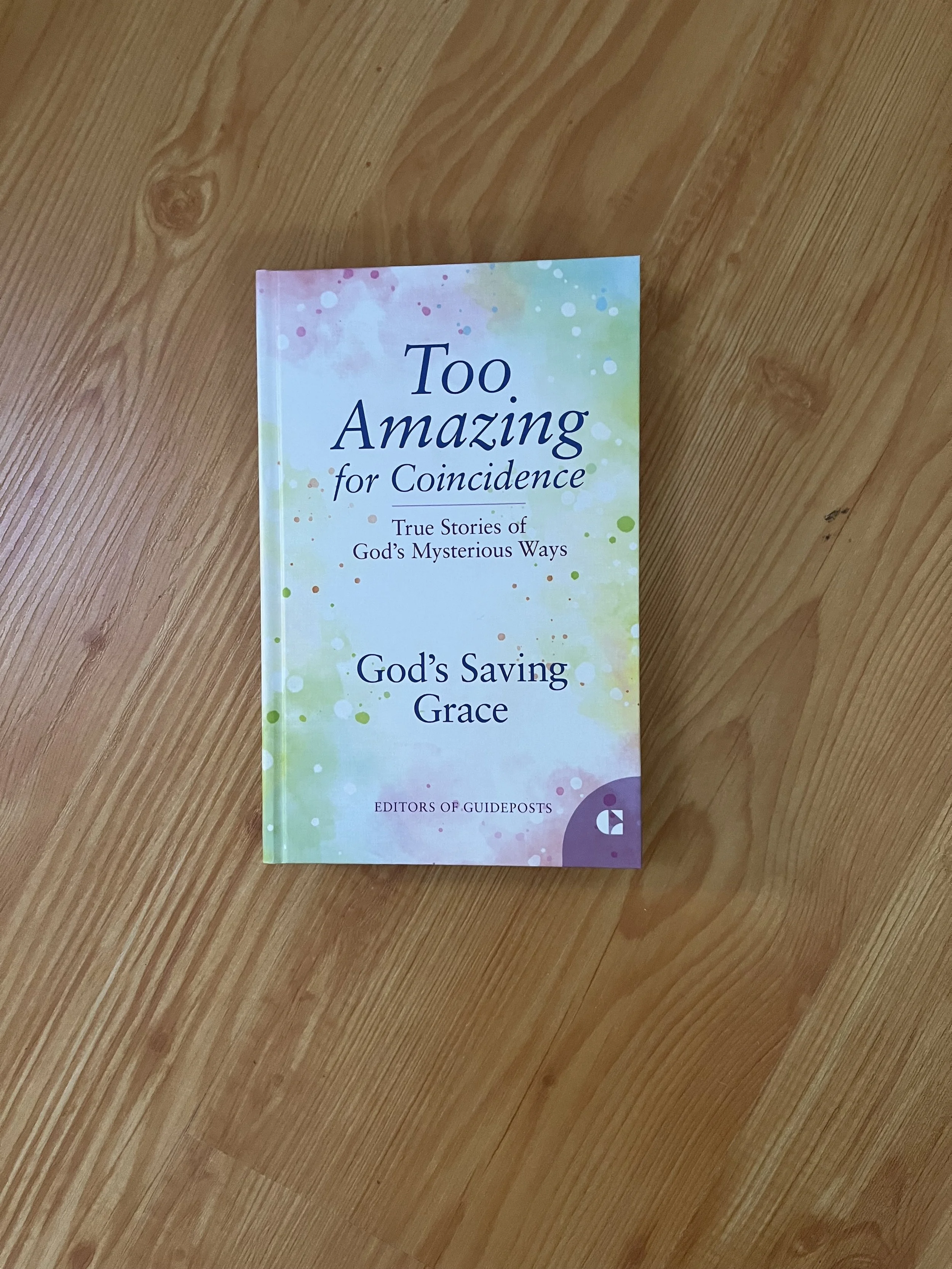
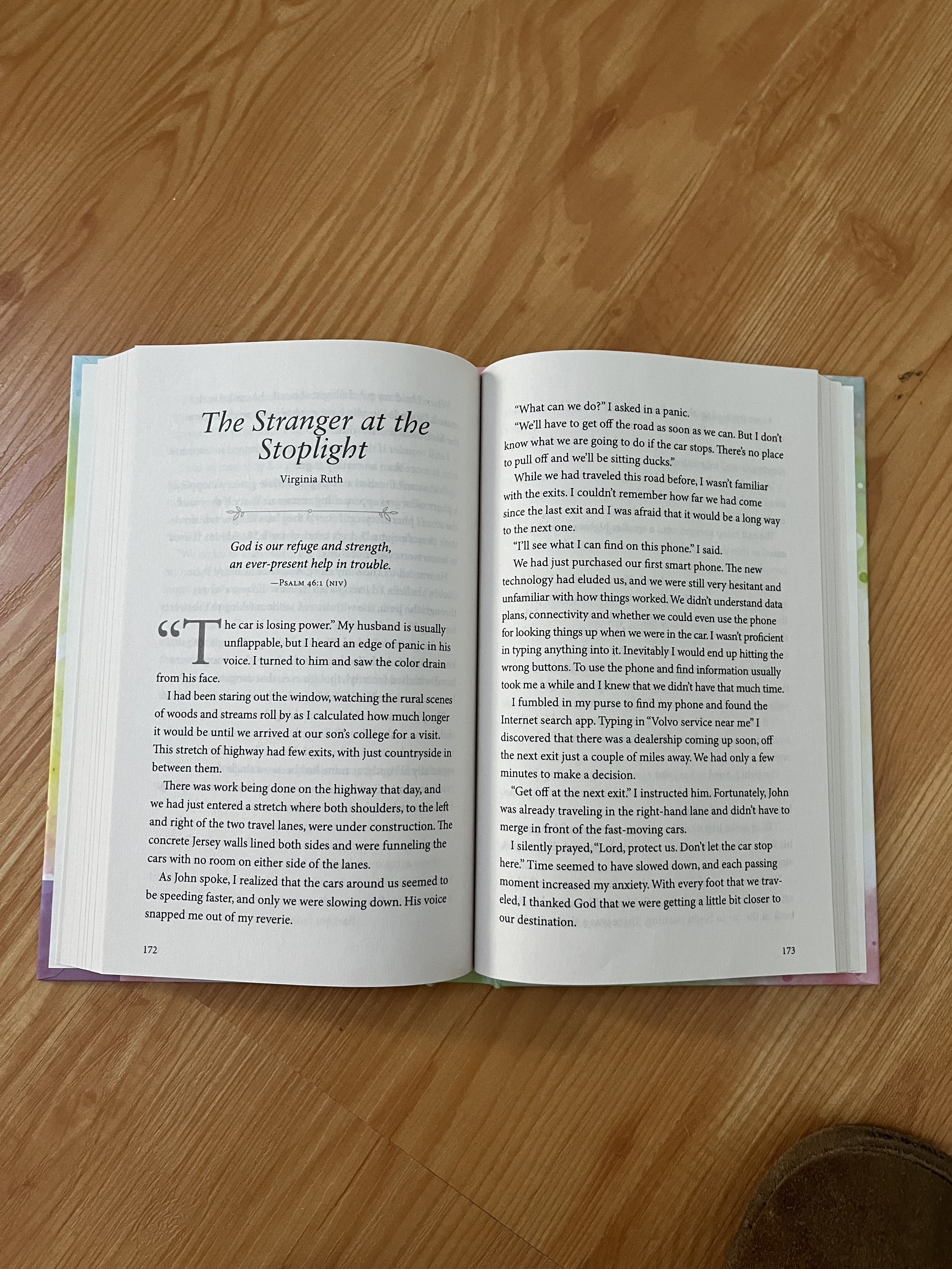
An excerpt of my essay.
This year as it has in the past 25 years, the town of Mt. Olive, NC dropped a pickle from the Mt. Olive Fire Department Tower 23 to mark the ringing in of the new year. 2026 will mark the centennial of the Mt. Olive Pickle company which sponsors the drop.
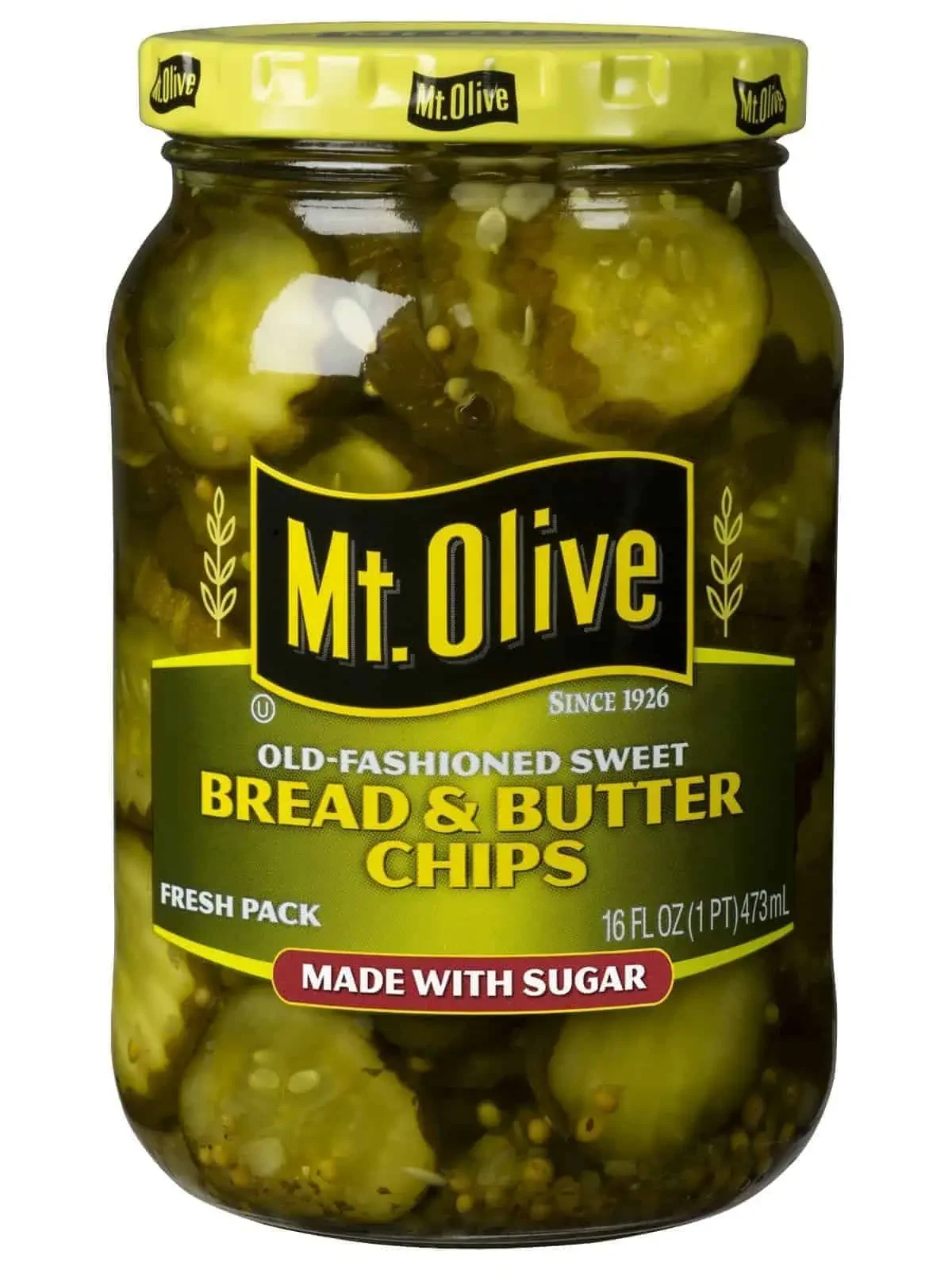
The company was originally started when an immigrant from a nearby town noticed that the surplus of local cucumbers were going to waste. He and another friend came up with the idea of brining the cucumbers and then selling them to other pickling firms. While that plan did not take off, a group of local people saw potential in the idea and decided to start their own pickle company. Thirty-seven business men put in the capital for the company. They called it a “community proposition”. The two gentlemen who originally came up with the idea became the factory superintendent and the company salesman, respectively. 100 years later, the company is still privately owned and has become the #1 pickle brand in the US.
Making lemonade out of lemons. Or, pickles out of excess cucumbers.
I love to hear stories of imagination, adaptation, and finding another solution. Finding repurpose.
Such was the case for Play-Doh. Originally, it was a putty-like substance for cleaning wallpaper. In the days before WWII, wallpaper would attract dirt and soot from coal and wood stoves/heaters. The cleaning compound which was made by a soap company, could be rubbed over the walls to clean the soot. After the war, new, easier to clean vinyl-type wall paper was introduced. Simultaneously there was a move from coal stoves to oil and natural gas, which reduced interior soot. There wasn’t a need for the compound and the company almost went out of business. The nephew of the inventor of the cleaning substance was hired to help keep the business from bankruptcy. The nephew’s sister-in-law was a nursery school teacher who had read an article that the wallpaper substance provided good modeling clay for students. And so, the nephew pivoted the company into making a child’s toy with the sister-in-law’s inspiration for the use and new name, Play-Doh.
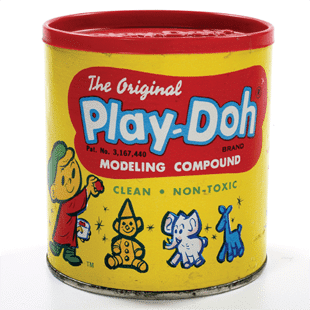
For those of you who grew up with the ubiquitous childhood modeling clay, remember the scent? Apparently the scent is so distinctive, in 2018 Hasbro (the toy company who now owns it) trademark registered the scent with the USPTO. It is described as “"combination of a sweet, slightly musky, vanilla-like fragrance, with slight overtones of cherry, and the natural smell of a salted, wheat-based dough.” Originally, it only came in an off-white color but shortly after marketing it to children, it was offered in blue, red and yellow. I remember upon first receiving Play-Doh for Christmas, (maybe I only received it once, but it seems to me it was always a stocking stuffer) keeping the colors separate for a little bit of time, but eventually I would have a massive ball of multicolor flecks and odd shades. There always seemed to be crusty dry pieces attached to the outside that never quite reintegrated with the rest of the mass.

Turns out, another childhood stocking stuffer was also a repurposed product- Silly Putty. Silly Putty was originally made to be an experimental rubber replacement. During WWII, America couldn’t access the rubber plants needed for tires, equipment, etc. Scientists were tasked with finding a replacement. While Silly Putty has a lot of rubber properties, it wasn’t quite the rubber replacement that was needed. Instead, it became marketed as a child’s toy, especially when it was advertised during the Howdy Dowdy Show.
It seems as if I have been lately hearing these types of stories of items that on first blush, appeared to be potential failures. For whatever reason, circumstances changed and the item wasn’t needed. Those people who invested in the items (not only financially, but time and resource-wise) could have given up. They could have decided that their past was wasted and that there was no hope for the future.
But someone was able to see the potential and adapt to the new reality.
It makes me wonder how adaptable am I? All of us at times either get ourselves into situations or have situations thrown at us that requires some adaptation. Situations that make what we are currently doing obsolete, irrelevant or not fully meeting new demands.
What about you? How adaptable are you to changes? Either in your life or in the world around you? Go with the flow? Dig your heels in? Find a new marketing strategy, like PlayDoh and Silly Putty? Turn an excess into a benefit, like Mt. Olive Pickles? When life gives you lemons, do you readily make lemonade? Or do you find yourself holding a rotting mess?
I would love to think that I make lemonade out of disappointment, hurt, or failures. That I have the hutzpah to keep going even when the going gets tough. But that can be quite hard. Especially when life throws us curves and difficulties. If we live long enough and with intentional empathy, we learn that no one goes through life without difficulties. Some people can adapt easily and others struggle.
According to various psychology articles, one can take that which we’ve negatively experienced and transform it into a positive future through what is called cognitive reappraisal. It is more than revisionist history. It is taking reality- based information and purposefully reframing the explanation of what happened in the past. It is in the reframing that we can find purpose for the past situation and can then, face the future.
According to Psychology Today, “Cognitive reappraisal—generating a positive, even absurdly incongruous, reinterpretation of a negative event— often underlies benign humor. And in fact, researchers find that the use of benign humor—pointing out the bright side of adversities—is good at both down-regulating negative emotion and amplifying positive emotion.
Below are some questions to think about when we are trying to repurpose our past and make cucumbers into pickles. Experts identify several questions you can ask yourself to stimulate a positive reappraisal for negative situations:
Are you engaging in some form of cognitive distortion, such as catastrophizing?
What is the evidence supporting your automatic appraisal of the situation?
Are any positive outcomes possible from the situation?
Are you grateful for any aspect of the situation?
In what ways are you better off than before the situation occurred?
What did you learn from the experience?
I don’t know about you, but I know so many people who are feeling discouraged- that their lives have not turned out the way they planned and/or thought. They are discouraged in the macro (world) and micro (individual) nature of life. For me, I am grateful for the Sovereign God who controls both the macro and micro in the world. I look at the questions of cognitive reappraisal and also ask, “What is True, what is Good, what is Honorable, what is Pure, what is Lovely? What in this situation do I know is of God? What is God teaching me in the situation?
If anyone is in the repurpose/adaptation business, it is God. God can take any of our problems, excesses, outdated, unused or worn situations and make them new.
Word of the Year.
I am sure that you have seen and heard of those who have one word that represents their goal for the year. I have written about it in the past. It is an interesting concept. On one hand, it does help keep one focused on a goal or reflection. Yet, on the other hand, it can limit the scope of possibilities for the year.
Sometimes, choosing these words take a long time of reflection. One might not even be able to choose a word for the year until March. Other times, the word is constantly showing up in one’s life- as if the cosmos has already decided for you.
For me, the word this year is “organize(d)”. Seems as if that word is popping up all around me.
Just recently, we have a neighbor who said that while his mother and sister were visiting, they were critiquing his cabinets and telling him that he had to “get organized” before the birth of his son. From what I have seen, this friend is quite organized but it made me wonder about our home. Perhaps the frustration that I have been feeling recently, is due to the fact that I cannot find anything where I “think” it is located.
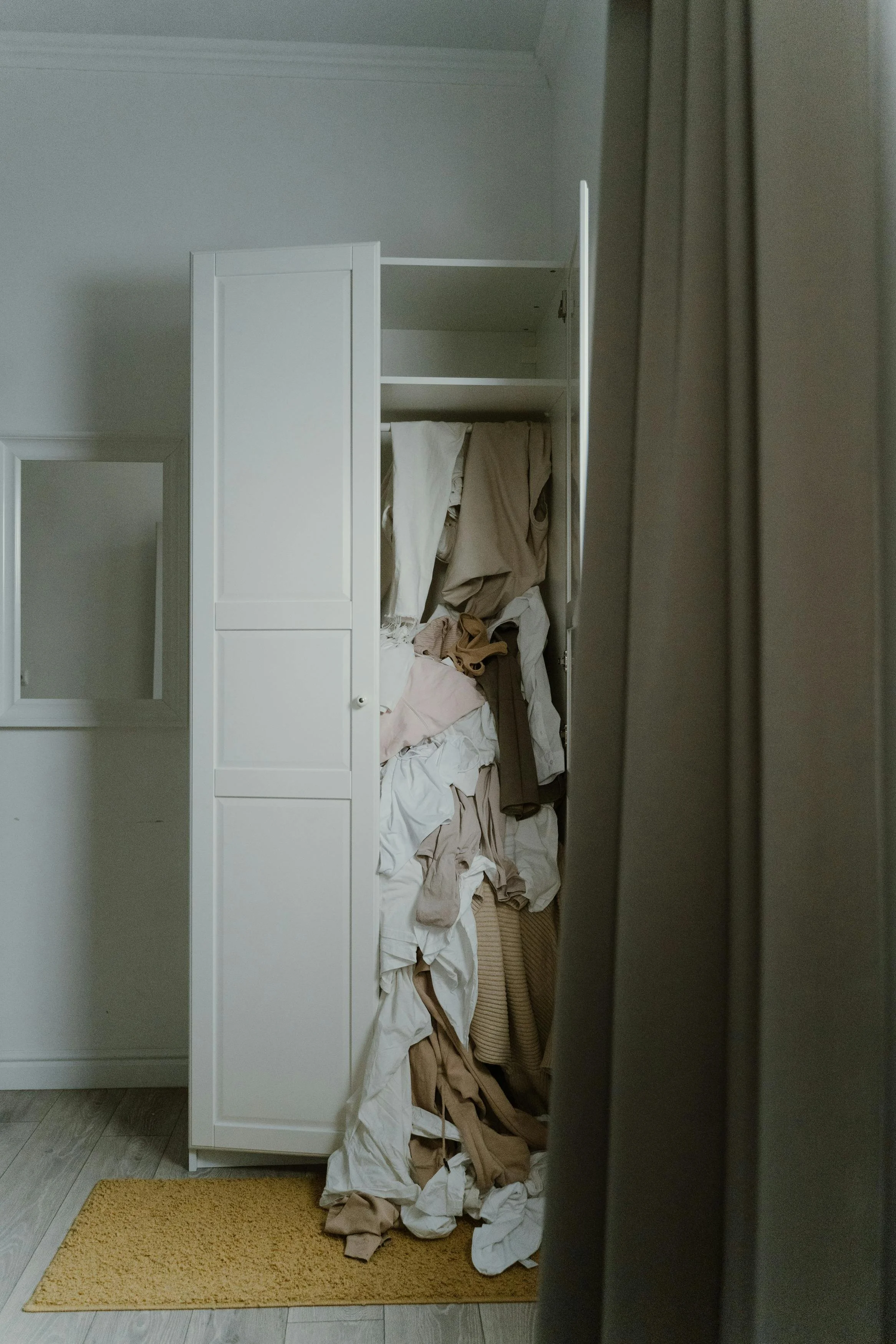
Lest you think otherwise, this is NOT how our cupboards look but it is how they seem to me when I am trying to find something.
Looking at our basement, I realize that we need to “get organized”. We have lived in our current home for three years. Once the initial renovations were completed, we put away all the items from our numerous cardboard boxes. At that stage of the move, we just wanted the boxes emptied and the items behind closed doors. “We’ll sort and arrange those things later,” as we pushed the bulging closet doors with our hip.
Well, later has come. We need to get organized!
I have been thinking about that word: organize(d).
The Cambridge Dictionary defines organize (or organise- UK spelling): to do or arrange things, plans, ideas, etc., according to a particular system so that they can be used or understood easily.
What I like about the word “organize” is that it is a verb, and that when acted upon, items or ideas can be easily grasped- physically or intellectually. I think of how much time I waste and the frustration of not knowing where some item is. Or, because of too much “stuff” in the way, I do not want to go through the cupboard or closet to find the said item and so I do without or I have to purchase another. What a waste.
And so, this year, I am going “to get organized”. I am so tired of looking at my to-do list and not completing it. I write the item on the list and then keep transcribing it to another list. My failure to complete the list is partly because I do not have a plan in how I will accomplish the task and so I do not know how to begin.
But, as I have written before and as I have recognized, there is a balance between organization and some type of serendipity especially as it comes to schedules and accomplishing goals. I don’t want to be so regimented and so bound by an organizational structure that I cannot be spontaneous. Yet I cannot be completely spontaneous because then I will not accomplish anything.
In my recent Education for Ministry class at our church, we were discussing the word organize(d) and the word associations with it. “Structure” was the association that we came upon. We then looked at the pros/cons of the word structure. One of my classmates felt that structure is limiting to creativity. And while there is some truth to it, I find that structure- broadly based- aides and guides creativity. For how many of us, do better in editing/correcting a written document rather than starting with a blank page? It is much easier to write when one is given a topic or direction rather than carte blanche for anything.
And so, I need to “get organized” this year. I want to do so in our home. But I have also been thinking about “getting organized” with my health and physical care, in my maintenance of relationships and in my writing. The idea of getting organized is really about intentionality. What do I find important and how will I intentionally do what I need and want to do?
What about you? Do you have a word of the year? Do you want to get organized? How are you going to go about it? Is the organizing a physical one? A mental one? Or a spiritual one? The word “organize” also contains within it, the actions of planning and execution. Perhaps it is not so much the organizing that I need, but the planning and then, more importantly, the execution and completion of that plan.
How are you planning on living this year? How are you going to intentionally live into that plan?
What is the word that will help you achieve that?
How are you with waiting?
One would think, we would be better at waiting the older we get. But it seems not so much. Well, at least in my experience of aging parents and, admittedly, my aging self. I seem to be more and more impatient with the “I don’t have time for this” mentality.
I remember in the last decade or so of their lives, my parents and in-laws could be impatient. It was strange because, except for my mother who always seemed a little impatient, the other three seemed to have the patience of Job.
Ask anyone who has had to transport an elderly loved one, and you will get an example of elderly impatience. The process of getting the elderly person in and out of the passenger seat, especially if the elderly person has a walker, rollator, wheelchair or any type of mobility aids, should be the new Olympic sport: one has to park the car; unhook one’s seat belt, double checking that one has pocketed the car keys (getting locked out of the car by a happy-button-pushing passenger does not make for a pleasant experience); run to the back of the vehicle; open the trunk and remove said medical assistive device; unfold and ensure that it is properly set up; wheel it to the passenger side of the car; open door, maneuvering the device in just the right place; lock the wheels (a crucial step- trust me), reach over to unhook elderly person from their seat belt. Then immediately change one’s body movements-slow down your actions (if not, your anxiety will transfer to the situation and the elderly person) and gently help them swing their legs over the side of the car ledge (protecting their head from hitting the top of the door frame) in order to have them stand and transfer to the chair or to place their hands on walker, ready to walk to the entrance of the doctor’s office or store.
This is the ideal set-up when the elderly person sits in the seat waiting for you to open the car door and help them unhook the seat belt.
What generally happens is that the elderly person starts to feel for the door handle as you are turning into the parking spot in order to open the passenger car door as soon as the car stops. “Just wait and I’ll be there to open the door for you in a sec.” you request in a gentle voice. Most times the request goes in one ear and out the other (or maybe just not “heard” at all.) Which then requires you to move through the process at double speed all the time requesting, “just wait, please” until your voice becomes an Ethel Merman bellow, “HOLD ON.”
It always amazed me that the same person who would take for-ev-er to walk from his room in the assisted living wing to the dining room less than thirty feet distance (I would trip over my feet trying to slow down my stride) could be out of the car with feet dangling or upper body dangling (if he forgot to unhook the seat belt) in a matter of seconds.
I kind of wonder- is this another sign of the circle of life or at least the bell curve of life? We start out as impatient infants and we end up as impatient elders with an apex of seemingly rationality in our adult years. There is an interesting 2024 study archived in the National Library of Medicine that seems to conclude that older adults, more so than younger adults are more susceptible to be influenced by the impulse of others. Of course, the researchers note that there are other studies that show quite the opposite. Regardless, it made me think of both my mother and mother-in-law. Both women were strong individuals with strong opinions and were never swayed by others’ opinions. And yet, in their old age, they were influenced by what the other women were doing, wearing, saying in their respective retirement communities. They were impatient to have those experiences. Many a time, I found myself taking one of the parents on an expedition because they had to do something that they had heard the others talking about. I have fond memories of taking my ninety-two year old mother-in-law jeans shopping. She got it in her head, after seeing some of the other residents wearing jeans, to purchase a pair for herself.
In some ways, why not be impulsive and somewhat rash? Time is not on one’s side.
Although, it is not just the young and elderly who are impatient. Most of modern society are more and more impatient and do not want to wait. We have devised ways around the waiting (pay for the express lane or fast pass lines) or ways to be “entertained” while we wait (short videos on Tik-tok/Facebook, etc.) We can blame our smart phones, technology, and social media outlets for causing our impatience and distraction but we seem to not be able to get out of the cycle. The truth is, we have let those tools rule our lives or at least a good part of our days.
Many years ago I went to a talk at our church. The speaker was discussing violence and television shows and the effect on children. There was concern about what to do about it since all the studies concluded that the violence on the television wasn’t good. The response- do more studies. I came home and said to my husband- I don’t think we need more studies. It seemed simple to me- just turn off the telly. Don’t watch the violent shows.
I feel the same way with our ever quickening technologies- they keep pushing us to think, react, and make decisions faster and faster, which doesn’t seem like a sustainable long term plan. Of course, there are situations where the new technology is a God-send to people. But the overall, day-to-day experience is not good in the long run- physically, emotionally, mentally even spiritually. While the modern technology has connected us globally, it also has divided us more-a modern tower of Babel.

This is the Advent season, the season of waiting. Waiting expectantly for the birth of the Messiah- the One to save us from sin and oppression. For those who follow Jesus- we know the story, we know the outcome and we know why we wait. But do we know how?
Do we wait with wonder and awe- that the God of the universe cares so deeply about each one of us, that He came to earth and dwelt among us? To rescue us from sin and death, if only we believe? How do we respond to that? Do we share that Good News with others? Do we wait expectantly for peace and joy, that can only come from God? Is there a place for impatience? Should we be impatient and demanding that justice be done? For those who are lost, to be found? For those who are hungry, to be fed? For those who are marginalized, to belong?
As our priest has challenged us this Advent season- is God waiting for us? During this Advent season, is God waiting and expecting more from us? To be more loving, more kind, more gentle, more merciful? Is God waiting for us to be more patient- with ourselves, our families, our neighbors, even our enemies?
So, how are you at waiting? Are you waiting for God to do something in your life? Are you waiting for a Savior? Is God waiting for you?
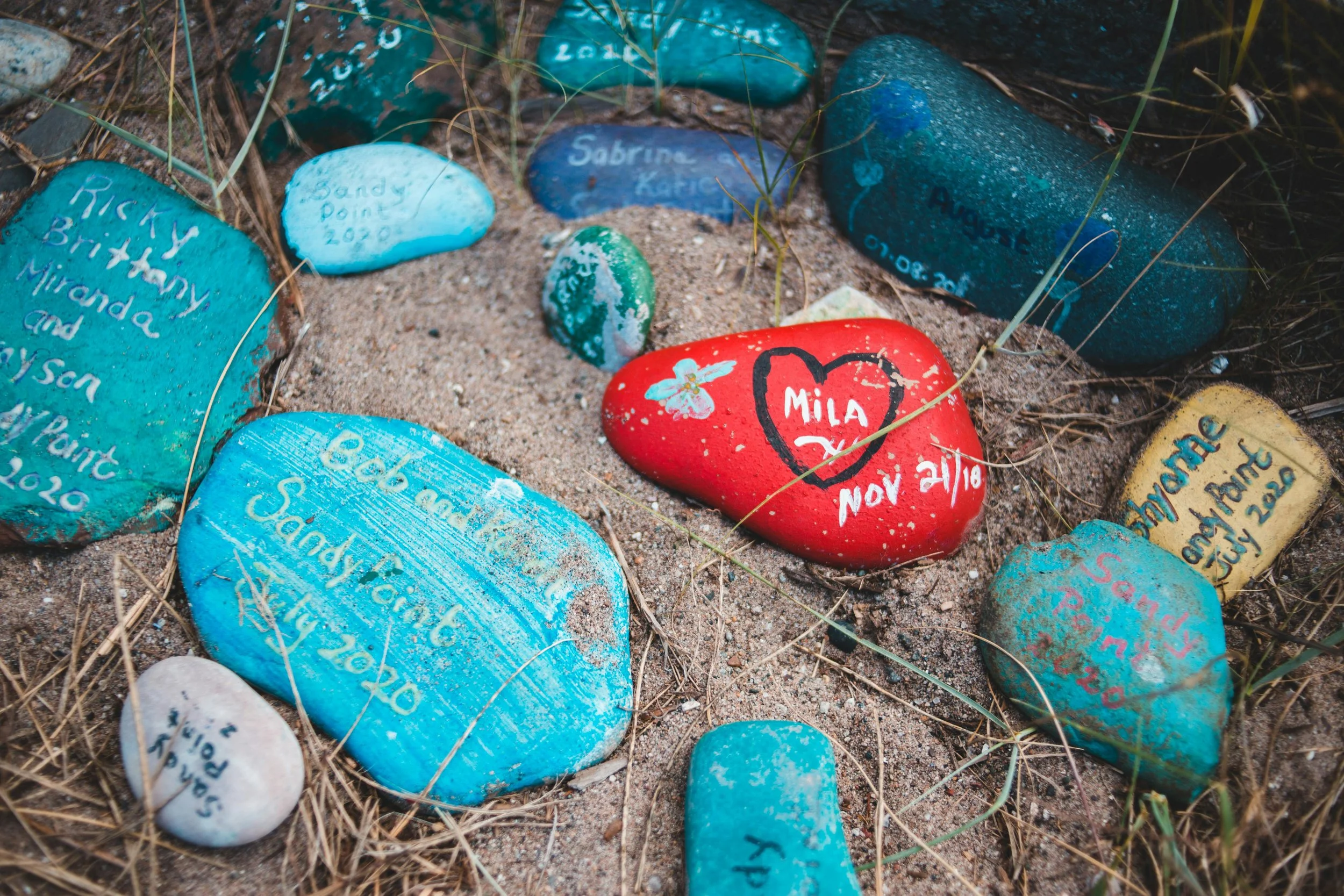
“Sticks and stones will break my bones but names will never hurt me.”
I remember saying those words to some knuckle head on the elementary playground. You know how it goes, a dumb little oyster says something mean, then another escalates the situation with some type of slur. Silly and untrue words but they can take hold and shape young minds. I know that words did hurt me.
Recently I “found” a book our son had left in our home as I was tidying up from the Thanksgiving holiday. It is called, The Know-It-All: One Man’s Humble Quest to Become the Smartest Person in the World, by A.J. Jacobs. Quite a claim by Mr. Jacobs. The title alone was off-putting to me but did pique my curiosity. I found that the parts that I read to be interesting.
The author organizes the book alphabetically, picking out words and entries from the Encyclopedia Britannica and writing about that subject along with some personal stories. Under “Q”, the entry “Quaker” caught my attention. Initially the word was a slur used against this religious sect for their “trembling” or quaking during worship. The group took the slur and turned it into their own- using it to identify themselves. Apparently the Methodists had the same thing happened to them. They were derided for their theological “methods” and were called Methodists. Again, the group turned around the slur, using it as their name. He goes on to mention similar examples. The term “queer” was once derogatory and now it is used as a group description.
I have been thinking about names and the descriptions that we call one another and ourselves. Are we defined by those words? Are they used as a weapon? Or as a compliment? Do those words limit us or expand us? Do they keep us from our true potential?
Do words matter?
I would say yes. Most definitely words matter. Words spoken, while they may not physically break any bones at the time, can do damage- emotionally, mentally and spiritually and eventually, they could possibly do physical damage. Negative words can reduce us to inactivity. Tell a person that they cannot do something (too dumb, too slow, too young, too old) and eventually, they won’t do it.
Interestingly a new study led by a team of Virginia Tech neuroscientists looked into how people interpret the significance of words. They mapped a person’s neurotransmitters (dopamine, serotonin, norepinephrin) while displaying for the subjects emotionally-charged words.
“Unlike animals, humans can understand words, their context, and meaning…Our findings suggest that these chemicals are released in specific areas of the brain when we process the emotional meaning of words. More broadly, our research supports the idea that the brain systems that evolved to help us react to good or bad things in our environment might also play a role in how we process words, which are just as important for our survival.”
There is also an interesting article from the Bonn Institute discussing words, journalism and the influence words have on our thinking and therefore our actions. Especially for journalists, words matter. We have seen it from both sides of the political aisles-what people say and write can harm others. A certain description for a group or person can change the whole context of the story and/or facts.
So, what can we do when words we hear or even say to ourselves are harmful? Especially when we let negative words impact our thoughts and therefore our reactions to ourselves and others. The National Health Service in the UK has a slogan: Catch it, Check it, Change it.
Catch it: Know what to look for- do we even realize that we are experiencing negative thoughts or I would add, hearing negativity? Sometimes we are so surrounded by negative comments, we begin to believe that is the only way to think. Types of unhelpful thoughts include:
Always expecting the worst outcome from any situation.
Ignoring the good sides of a situation and only focusing on the bad.
Seeing things as either only good or only bad, with nothing in between (black and white thinking).
Considering yourself the sole cause of negative situations.
Check it: Rather than immediately accepting this thought and feeling even worse, take a moment to check it. Try asking yourself:
How likely is the outcome you're worried about?
Is there good evidence for it?
Are there other explanations or possible outcomes?
Is there good evidence for alternative ways of looking at the situation?
What would you say to a friend if they were thinking this way?
Change it: Look back to what you were thinking about? How can you change the narrative in your head?
Instead of the situation being all bad, is it possible to think- okay, sometimes that is true but mostly it is not.
To see one positive in the situation- then maybe see one more until you can counter 1 negative thought with 3 positives?
One of the tools they suggest is a thought record. Click here to read how to set one up.
What I like about the record and some of the tools on the NHS website is that they give you permission to explore your thoughts. Just because someone told you something recently or even long ago, doesn’t mean you have to define yourself with it. You can let it go or even just hold it at bay for awhile, while you process it.
The other tool that the NHS mentions is a way to handle worry: One way to keep worries at bay is to allow yourself a set amount of time (say 15 minutes) to worry about a situation. After the 15 minutes are up, then move on to something else and don’t pick that worry back up until the next block of time that you give yourself to worry about that situation- say the next day. After a while, there may not be the need to have a block of “worry time”.
I “think” I am generally a positive person but I must say that I sometimes struggle with remaining positive. Those negative thoughts sometimes come out of the blue. I have to step back and ask myself- from where is this coming? Are the thoughts true? Some yes? If so, how can I honestly confront them? But if mostly, no, then what do I know? Can I turn those negative words into something positive? I have to remind myself that I am a beloved child of God’s and that God has a purpose and plan for my life. God also wants me to enjoy life and to enjoy each moment, not be weighed down by lies and negative thoughts.
What about you? Are there thoughts or words that run through your head? Are there descriptions that people have given you, that now define you? How accurate are they? Can you turn around that statement or word? Are there people who bring you down or lift you up?
As we are in the beginning of the holiday season, we need to be kind to ourselves and one another. For supposedly a season of goodwill towards all, sometimes the season can be filled with more bah-humbug than fa-la-la-la-la. People can be more like Grinch and Scrooge than like Jesus, especially in families.
One of the things I love about this time of year is the reminder that Jesus came to earth- Incarnate, God with us. Yes, God came to rescue us but I also think of the time Jesus was on earth, that He enjoyed being with us. While Jesus lived on earth, we experienced a brief glimpse of heaven on earth- when we communed with Jesus/God as God intended in the Garden of Eden. God uniquely created each one of us- to know Him and to enjoy God and I would add, His creation of others and the world around us. We do so by the way we treat one another- in deeds and in words. Ultimately, if we use kind words with others, we will use kind words for ourselves. And visa versa. We can change the way we frame our outlook and eventually we can change the interaction with others: No longer will names hurt us and others, because the names that we use are life affirming.
Interesting articles:
https://news.vt.edu/articles/2025/01/research-fralinbiomed-words-0106.html
https://www.bonn-institute.org/en/news/psychology-in-journalism-2
https://www.nhs.uk/every-mind-matters/mental-wellbeing-tips/self-help-cbt-techniques/reframing-unhelpful-thoughts/
Well. I had my 15 minutes of shame. Actually it wasn’t that bad just disappointing.
I did have my meeting with a person in acquisitions for a publishing house regarding my book proposal. While I prepared as best I could, in essence it was a “don’t call us, we’ll call you” type of meeting.
Yes. I did learn some things with this process and yes, I will continue on with the manuscript and yes, I will try and get it in the hands of some other publisher. But for now I feel kind of bummed, embarrassed and silly.
Have you ever tried for something and been disappointed with the outcome? Stumbled, fallen, not made the mark? You get up and look around, hoping no one saw the tumble.
Of course, I am aware of the people who have stumbled, fallen, not made the mark and then, after persevering for a while, sometimes years, things fall into place and they have their dreams realized. The writers who have tons of rejection notices to their name, only to have someone pick up their manuscript and now they are best-selling authors. Or the film script that gets rejected for years only to finally be picked up and becomes a blockbuster, Oscar winning film.
But I also think of those creatives who keep plugging along with their writing, music, painting, acting, film making and never get picked up. Yet they keep going. Doing it for the love of creating. Many times what they create is just as good, even better than what is in the “successful” realm. Their work may not touch millions but they may touch the one in a million person who needs to hear what they have to say.
It is an interesting place to be- the soul shaped desire to create just for creating itself. Knowing that if one doesn’t do any creating, one’s soul is chipped away, like water dripping on a stone- eventually holes will form and the stone changes shape. To stay “in shape”, to stay sane; therefore, one needs to create.
But, one also creates for others- to be seen and heard and experienced. If one is fortunate enough, to change the world’s perspective for the good through the art of creation. In order to do so, the created work has to be out there for all to see. Keeping it under a bushel doesn’t help anyone.
And so, I will press on. But there are no words at this point when one is feeling disappointed.
My experience has me thinking-what is the best way to be with others when they are disappointed? Telling platitudes and expressions or examples of others having gone through the same situation, really doesn’t help. There is a period of wallowing in self-pity that I think we go through- (Well, at least for me- that shows you how shallow I am!)
I have found that there are two things that help me navigate disappointment: working on some household project and helping someone else. The former helps me to process what has taken place all the while doing some mindless task. The latter helps me to put my disappointment into perspective. So while I am wallowing, I feel that I have at least accomplished something.
What about you? Any disappointments lately? How did you navigate the situation? Do you have a ritual or routine that helps you? What do you do to pick yourself up, dust yourself off and start all over again?
Here is the wonderful Diana Krall singing a rendition of the Jerome Kern and Dorothy Fields song. Is Ms. Krall’s husband- Elvis Costello-on the guitar behind her? https://youtu.be/_p_JxDGVqXg.
Here’s the segment from the Fred Astaire and Ginger Rogers film, Swing Time that Kern and Fields created for the 1936 film: Click here. Enjoy. It is hard to stay wallowing when Fred and Ginger kick up their heels.

What is the one thing you can do? Give up your seat? Literally? Figuratively?
“No one can do every thing, but every one can do some thing.”
In the last month I have heard that expression in different ways and in different venues- in a radio interview, during news reports and in my church class. Regardless of how it was conveyed, it has made me wonder, what is the “do-some-thing”, that I can do.
My grandmother was a do-some-thing kind of gal. She wasn’t any one “special” except in the eyes of those who loved her and those she encountered. She was generous, encouraging, interesting and interested in others. She looked for the good in all situations. She saw needs and she did what she could to meet those needs regardless of her age and circumstances.
In her last twenty years of life (she lived to be 97) she lived near my parents in Massachusetts. At that point in her life, she was a widow and fiercely independent. (She lived alone in her home until the last two weeks of her life when she was hospitalized.) Every day she would drive to the beach to “sniff the salt air”. But she also went there to pick through the trash and recycling looking for bottles and cans that had deposits. Those she would redeem at the store and use that money to pay for postage to send items of clothing (she either made or bought at a local charity shop) for a charity she had supported for years: Christian Appalachian Project. I never knew why she picked that project but she was faithful in supporting it for years. It was one of the some things that she did for others.
Recently in our church class we were talking about all sorts of global and personal situations. One of the participants shared about his father. His dad was another one who did what he could for those who were around him. He said that while his dad was very much aware of what was going on in the world, he didn’t focus on that. Rather his father focused on doing what he could for the people around him.
I’ve been thinking about how I can help those who are in need around me. How can I be a blessing to someone else? I have shared before that I have a small bin in the front of our home to collect non-perishable food items for a local food bank. That seems to be a tangible, easy way for me to help. My neighbors and friends have been very generous. The box also reminds me and keeps me accountable to pick up a couple extra boxes of pasta, cans of beans, hearty soups, or cereal when I go to the store.
Of course, isn’t that what we can do? Impact those we can, however temporarily. Regardless of our circumstances, we should make life’s journey less of a burden and more of a blessing for someone.
We may never know what those expressions and actions of kindness, niceties and quite frankly, manners will impact someone else. But the science is showing that these kindnesses can benefit us: helping others benefits ourselves more than we know. When we help others-serotonin, dopamine, oxytocin, and other endorphins are released. These substances help us feel good. In my case of collecting the items for the food pantry, it is just a short walk to the food pantry from my home and it brings me such joy to pull my little wagon full of food there.
Science is proving that which God knows and knew when God created us: It is more blessed to give than to receive. On so many levels. Sadly, those who are takers in this world will never realize that benefit. Because ultimately besides all the physical benefits of giving, that benefit of blessing brings peace and love.
There is a line in the old movie, “While You Were Sleeping” that I think about whenever I think about small actions of kindness. One of the characters is despondent thinking that he hasn’t done anything significant or special in his life. Another character who has watched him for years says encouragingly, “You give up your seat every day on the train.” He replies, “Well. But that’s not heroic.” To which she replies- “It is to the person who sits there.”
What about you? Do the problems and situations of the world get you down? What is going on in your neck of the woods? is there anything, even some little thing, that you can do to help? Or, perhaps you already are doing some thing. What have you been doing? How can that encourage someone else?
In these times of difficulty for so many people and while global situations may seem overwhelming, maybe we should take a step back. Maybe we just need to do- some-thing for the people around us who need help. Our do-some-thing might not require much effort: We just need to pay attention to what is going on around us and have a little imagination. Perhaps, all we need to do is give up a seat for someone who needs to sit down.
A Few Ideas:
Having a holiday party? Ask guests to bring one non-perishable item for the local food pantry.
Start an ongoing collection box in your neighborhood for non-perishables for your local food bank. Or, if you live in an area where your vegetables are still growing- plant some extra vegetables in order to give away the fresh produce.
Pray for others. What better gift to give to someone else, than to bring their petitions to the One who created all of us and knows exactly what we need and what needs to happen in our lives.
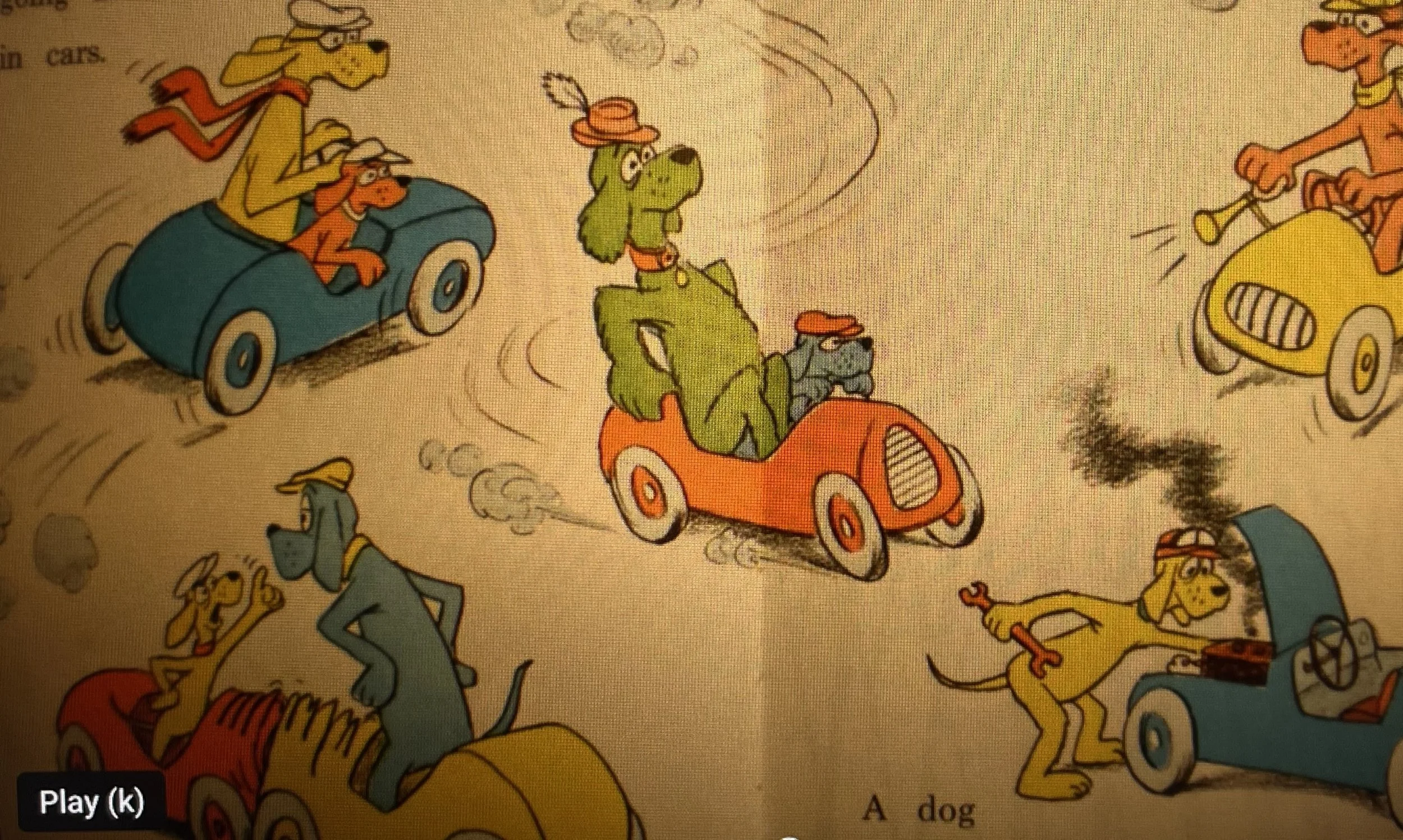
Notice the blue cars? Or does the red or yellow capture your attention? [From the classic- Go, Dog, Go by P.D. Eastman]
I could use your help.
I am working on a book proposal and I would like to see if you think the book idea is a good one? I have heard back from a variety of people that the concept is something they would like to read. But, as I am learning in the publishing business, it is difficult to get a book published. (The emphasis in that sentence is business.) And so, a book proposal is mostly a business proposal- how many readers, aka buyers, can one expect? While there is nothing new under the sun, one of the questions that is asked- is this book relevant to today’s readers?
My working title is Walk, Pray, Connect: A 40-Day Walking Prayer Guide to Building Community. In explaining the need for it, I would ask you to imagine:
Say you have a new blue car. Have you ever noticed that you will start to notice lots of blue cars everywhere? You may start to wonder, where were these blue cars before?
Apparently, this awareness is called the frequency illusion or Braeder-Meinhof phenomenon. “A cognitive bias in which a person notices a specific concept, word, or product more frequently after recently becoming aware of it.” A person can selectively focus on certain things while filtering out others.
The book I am writing is hinged on this idea: if we are intentionally thinking and praying about our community by focusing prayer in a specific category- we are more likely to notice neighbors in that category. That awareness can then be developed into an interaction and engagement with one another.
Henry David Thoreau said “The mass of men lead lives of quiet desperation.” Not only are we wanting fulfillment in our lives but we also long to be known and seen. Sadly in the modern world, we are more alone than not: we are rugged individuals busy with doing things yet not investing in relationships. In many communities, we do not even see our neighbors much less know them. This “loneliness in the crowd” isolationism has detrimental effects to our physical, emotional and spiritual well-being: social loneliness can increase one’s risk of heart disease, stroke, Type 2 diabetes, depression, anxiety, suicidality, self-harm, dementia and early death.
When God created humans, God created Adam (human) first. “It is not good for man to be alone,” so God created Eve (life), thus the first community was established. And “it was good.”
I am proposing a book that explores prayer walking in one’s neighborhood that systematically incorporates a different prayer in each walk. It is a 40 day journey broken down into 8 weeks of 5 walks each week. Each week has a different topic (life stages, life events, circle of relationships, career/work, physical, emotional, spiritual, God’s best). Within those weeks are 5 tailored prayers. For example, in the first week, called life stages- days 1-5 will have prayers for pregnancy/infants, children, teenagers, adults, and elderly respectively.
It doesn’t need to be a walk- it could be the school run drive, the work commute, the grocery run drive or even just sitting in one’s house and imaging those who live around them. The point is that one takes time each of the 40 days to pray for something specific in one’s community.
Of course, the ideal would be that one would walk- the benefit of the physical activity in conjunction with a mental/spiritual exercise is great. Even more so if there is accountability by walking with another person, or even a dog. If one does walk in one’s neighborhood, the idea that the specific daily prayer would remind one to notice the demographics and issues of one’s neighbors. It is this awareness that is the first step in reaching out.
The book is a direct response from my experience in our past neighborhood. An excerpt from the preface of the book:
“We lived in an urban/suburban neighborhood for twenty-six years. The neighborhood street was a semi-circle (two entrances to the “circle” from the main road) The detached homes were built before WWII and were pretty close together, with our driveways right next to the adjacent neighbor’s property. Our neighbors were intergenerational: some houses contained young families while many were occupied by older folks who had lived there as children and bought their homes from their parents or grandparents. We moved there when our sons were quite small. It was a perfect neighborhood for us: the street was closed to through traffic yet walkable to school, church, library, restaurants.
There were many neighborhood children with whom the boys could play. After we moved in, I got to know the neighbors around us. Yet through the years, I never walked along to the other side of the “circle”. I always walked to the street exit closest to our home and the children that were our kids’ ages all lived around our side of the circle.
As the years rolled by, I am embarrassed to say that I didn’t even know the names of those on the other side. One woman in particular would walk around to our side of the neighborhood and always compliment my garden if I was out working in it. We would engage in that type of light discussion. It was only through another neighbor who told me the reason the woman would walk was because she lost her husband to cancer and was bereft. I felt terrible. Not only did I not know that her husband was sick, I didn’t even know she had a husband! It seemed that even the newer neighbors on “my side” of the circle knew the names of the owners, their children, their pets’ names, and those on the “other side”. How did I get so divorced from knowing my neighbors?”
When we decided to move, I vowed that I was going to get to know my neighbors. So, before and during our move, my husband and I prayed for our new neighborhood. We prayed for neighbors we hadn’t even met yet. As we walked our dog through our new neighborhood we would offer silent prayers for the occupants of the homes we passed.
Because of that mindful intention, I was more aware of my neighbors and the various stages of life. For example, I noticed those homes that contained young children as seen by abandoned scooters, balls, bikes, on the front yard or those homes with “temporary” ramps for disabled family members. In many cases, I have been able to meet those neighbors by praying for opportunities to slowly engage with one another. While I cannot say that I know all my neighbors, I have been able to build some meaningful connections.
What about you? Have you ever systematically prayed for your neighbors? If so, what happened?
Would you be willing to read a book that guides you in that intentional awareness? If so, please let me know in the comments or email me (virginiaruth010@gmail.com) Ever grateful, Virginia